

Nutritionist Weighs in on FDA Decision to Ban Red Dye No. 3 from Foods
The Food and Drug Administration (FDA) has officially banned Red Dye No. 3, a synthetic, petroleum-based coloring agent, from the U.S. food supply. This move follows over three decades after the dye was prohibited in cosmetic products due to concerns over its potential link to cancer.
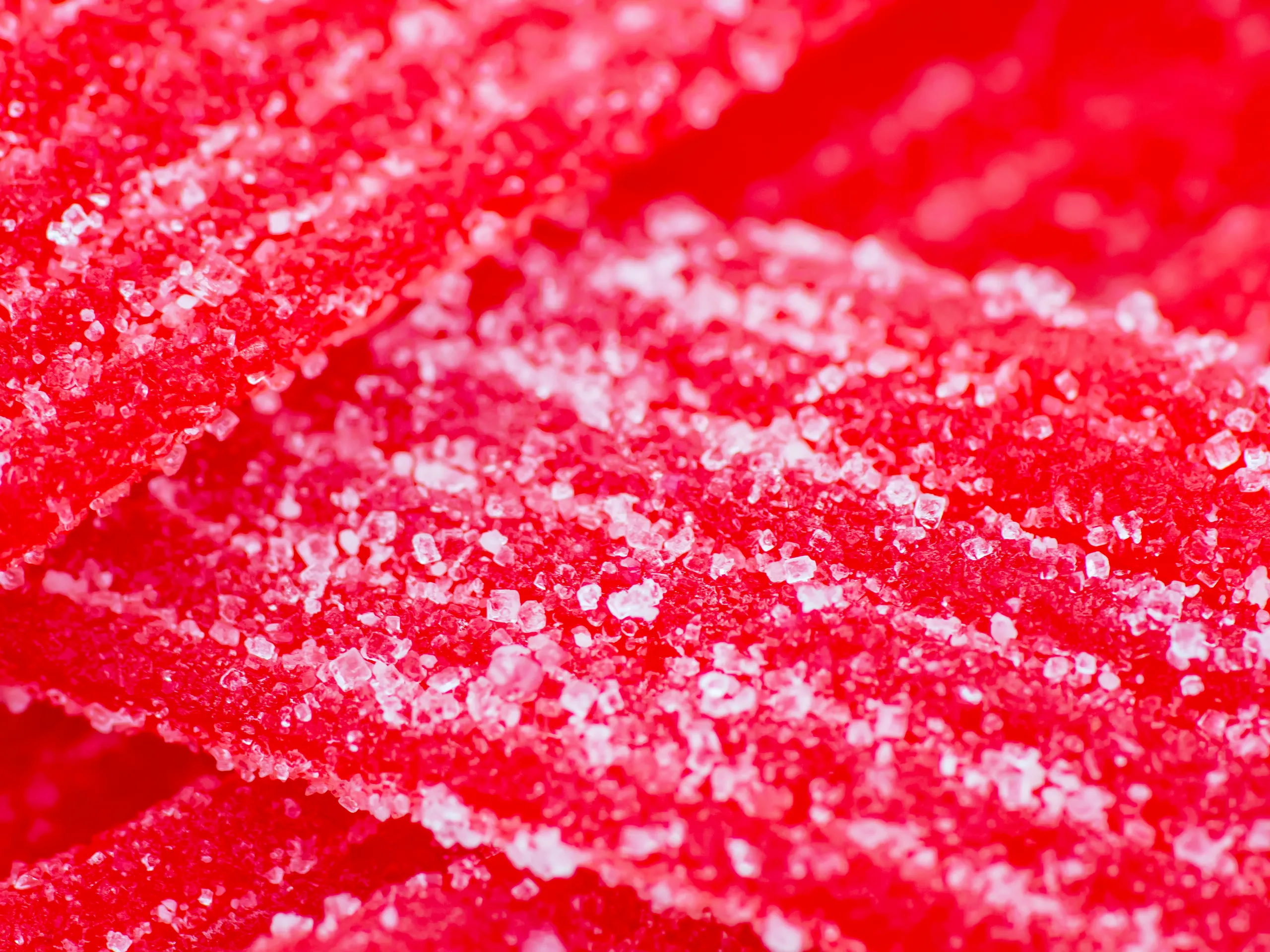
Red Dye No. 3, also known as Erythrosine, has already been banned in several countries, including Europe, Australia, and New Zealand. The decision to ban it in the U.S. was influenced by a 2022 petition from multiple food safety and health advocacy groups. This dye has been a common additive in various food products such as snack cakes, candy, and Maraschino cherries.
Krystal Goodman, a nutritionist, explained the role of Red Dye No. 3: “It is a chemical added to foods to provide a bright red color. It’s found in products like popsicles, gummies, red cakes, and even Pop-Tarts.” Goodman emphasized that this dye is not a natural food substance but rather a chemical used to enhance visual appeal.
The dye is not only prevalent in food but can also be found in some medications, including cough syrups. While the FDA banned Red Dye No. 3 in cosmetics and topical drugs back in 1990, its use in food products remained permitted until now.
Goodman highlighted common items that contain the dye: “Think about any food with a bright red color, like Fruit Roll-Ups, strawberry Pop-Tarts, strawberry ice creams, and popsicles. Even strawberry-flavored milk drinks like Yoo-hoo contain this dye.
The FDA has mandated that food manufacturers eliminate Red Dye No. 3 from their products by 2027, with a further deadline of 2028 for its removal from all medications. In the interim, Goodman advises consumers to scrutinize food labels carefully to avoid purchasing products containing the dye.
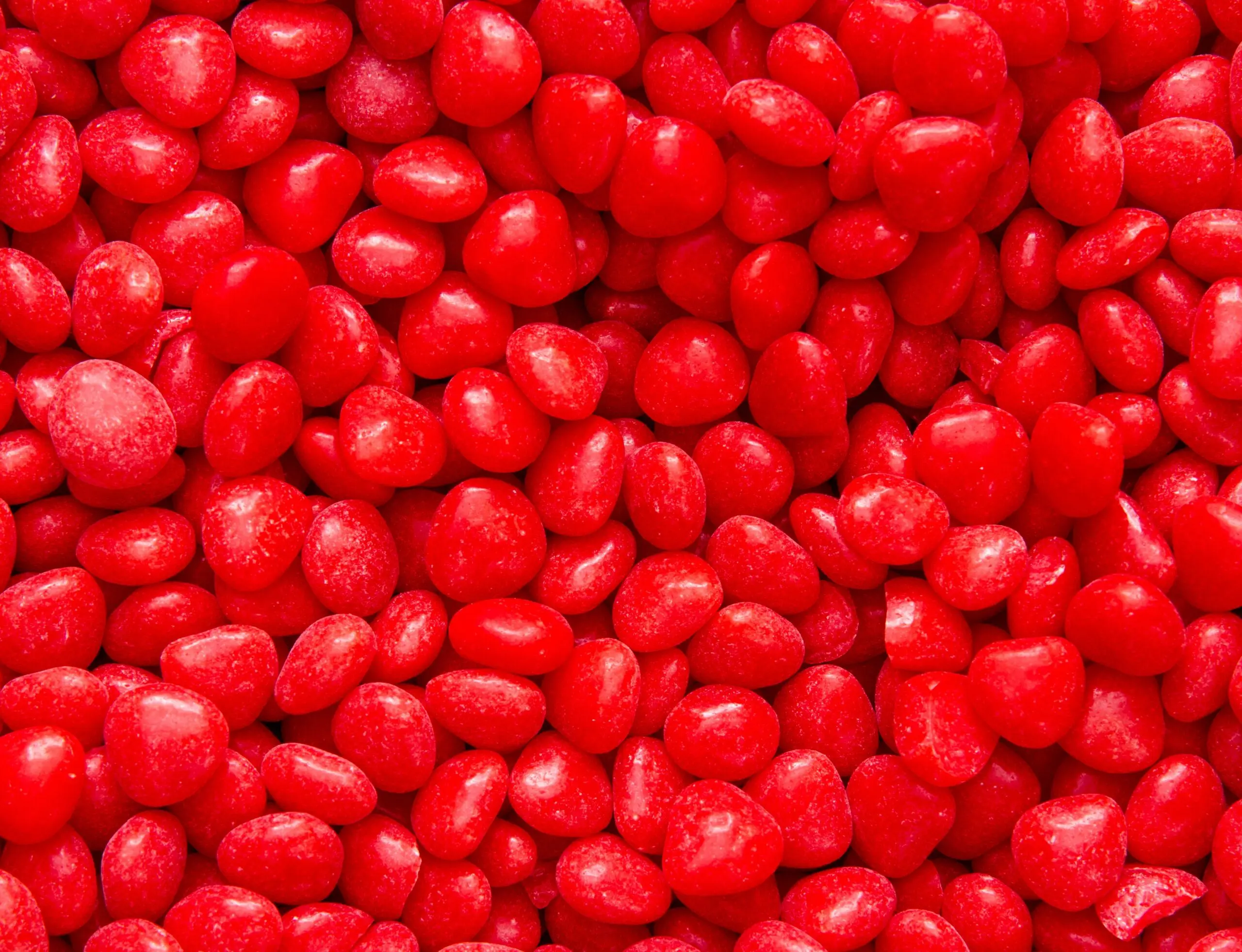
“When examining food labels, don’t just focus on the nutrition facts like calories and macronutrients,” Goodman said. “Take a close look at the ingredient list. Often, Red Dye No. 3 is listed towards the end of the ingredient paragraph, and many people might overlook it. As a nutritionist, I stress the importance of reading and understanding these labels.”
For those looking to avoid synthetic dyes, Goodman suggests opting for naturally red foods like beets and strawberries. These foods not only provide a natural red color but also offer antioxidants that can help combat cancer.
The FDA’s decision was based on studies indicating that Red Dye No. 3 caused cancer in laboratory rats. However, the FDA noted that there is no direct evidence linking the dye to cancer in humans.
Some food manufacturers have proactively removed Red Dye No. 3 from their products, replacing it with natural alternatives such as beet extracts or carmine, a dye derived from insects. Despite the ban, the International Association of Color Manufacturers has defended the safety of Red Dye No. 3, asserting that it is safe in the quantities typically consumed by people.
As the phase-out progresses, consumers are encouraged to stay informed and make choices that align with their health preferences. This development marks a significant step in food safety and highlights the ongoing efforts to reduce potentially harmful additives in the food supply.


