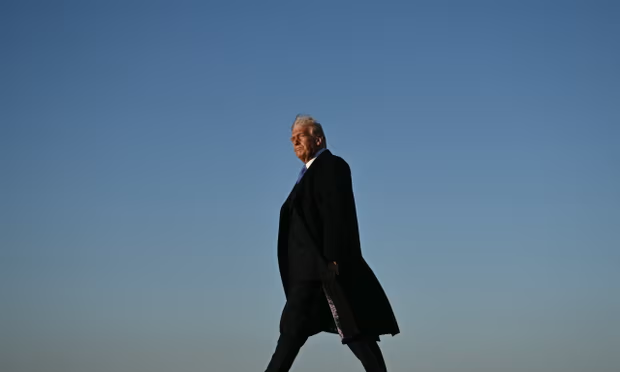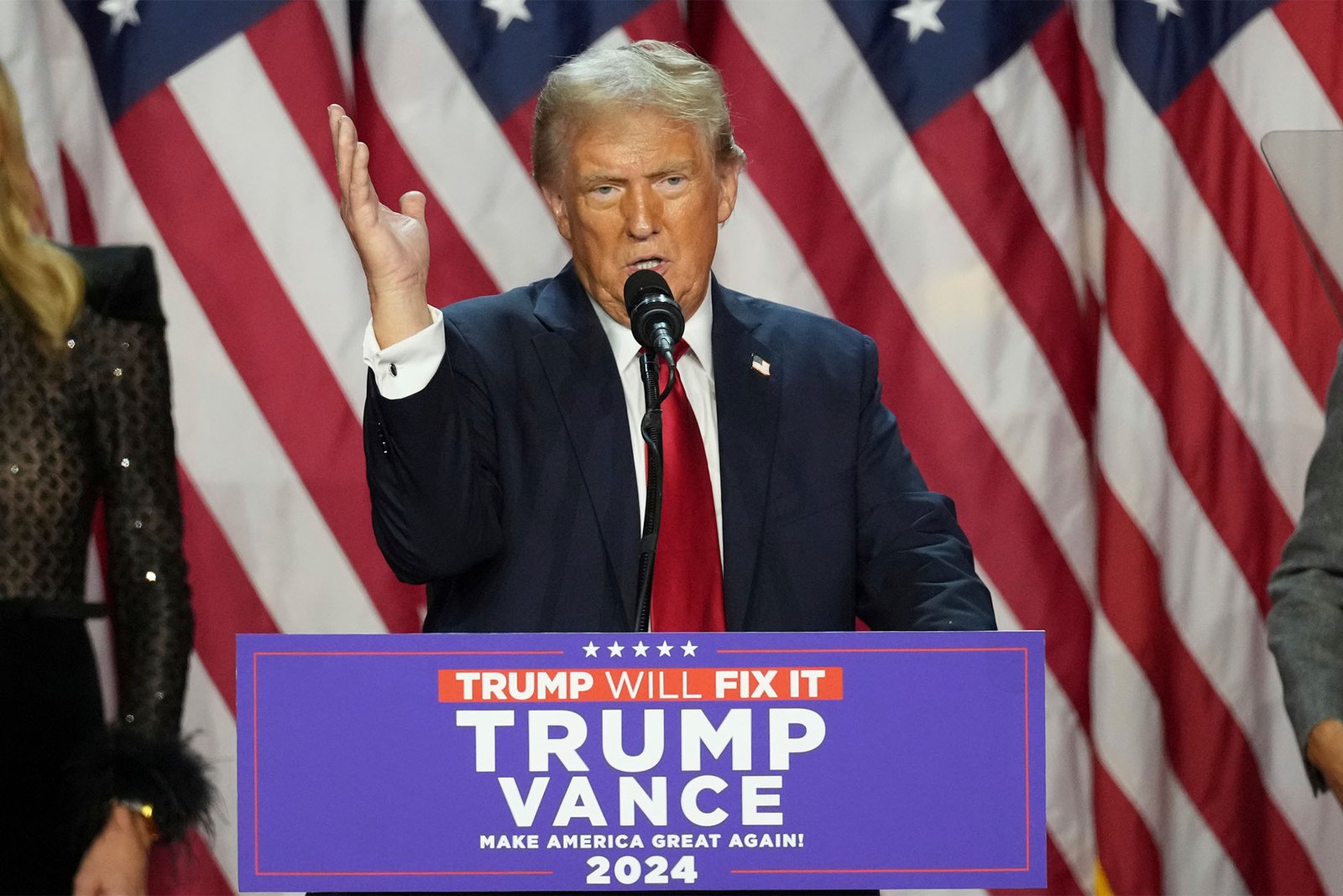
As a candidate, Donald J. Trump vowed to ignite an economic boom unparalleled in American history. Now, just two months into his presidency, he appears to be softening his stance, refusing to rule out a potential recession—a stark shift in tone for a leader who championed economic revival on the campaign trail.
This shift comes as the stock market experiences steep declines. The S&P 500 dropped 2.7% on Monday following a 3.1% dip the previous week, with growing unease over the president’s aggressive tariff policies. Even within his own party, murmurs of concern are growing, as Republican lawmakers worry about the long-term economic impact of his trade measures.
Trump inherited an economy that, by many measures, was stable—boasting low unemployment, moderate growth, and cooling inflation. However, his policies have injected uncertainty, contrasting sharply with the prosperity he pledged to deliver.
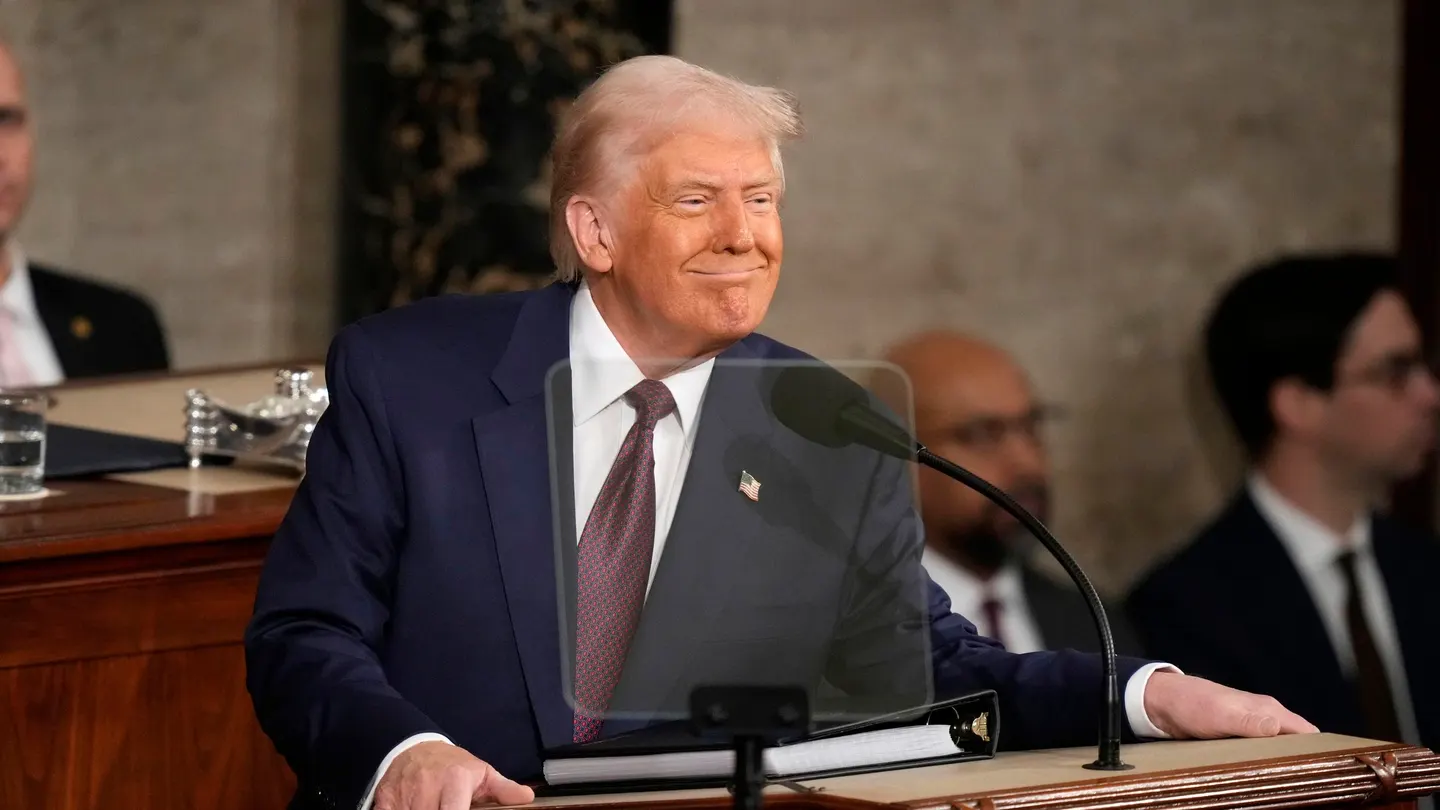
During a rally last October, Trump assured supporters, “We will begin a new era of soaring incomes, skyrocketing wealth, and millions of new jobs.” However, his reliance on tariffs—a key campaign promise—has cast a shadow over the economic outlook. Leading financial institutions, including JP Morgan and Goldman Sachs, now warn that a recession in the coming year is increasingly likely due to Trump’s trade policies.
In a Sunday interview on Fox News, Trump sought to manage expectations. When asked about a potential recession, he responded, “I hate to predict things like that. There is a period of transition… but I think it should be great for us.”
Even as markets falter, global leaders push back, and business executives voice concerns, Trump remains steadfast in his tariff strategy. Last week, he imposed sweeping tariffs on Canada, Mexico, and China but later reversed some of them—showcasing his characteristic unpredictability.
“Our country has been ripped off for decades,” Trump asserted on Fox News. “We’re not going to be ripped off anymore.”
Trump closely monitors the stock market, often citing its performance as a measure of his success. Many business leaders backed his campaign, hoping for policies favorable to their interests. However, some executives are now voicing concerns over the economic strain his tariffs may bring. On Tuesday, Trump is set to meet with top CEOs at the Business Roundtable, where these concerns are likely to be raised directly.
As Monday’s market decline rattled investors, White House officials attempted to redirect the narrative. Kush Desai, a White House spokesman, emphasized the administration’s commitment to economic growth, stating, “Since President Trump was elected, industry leaders have responded to his America First agenda with trillions in investment commitments that will create thousands of new jobs.
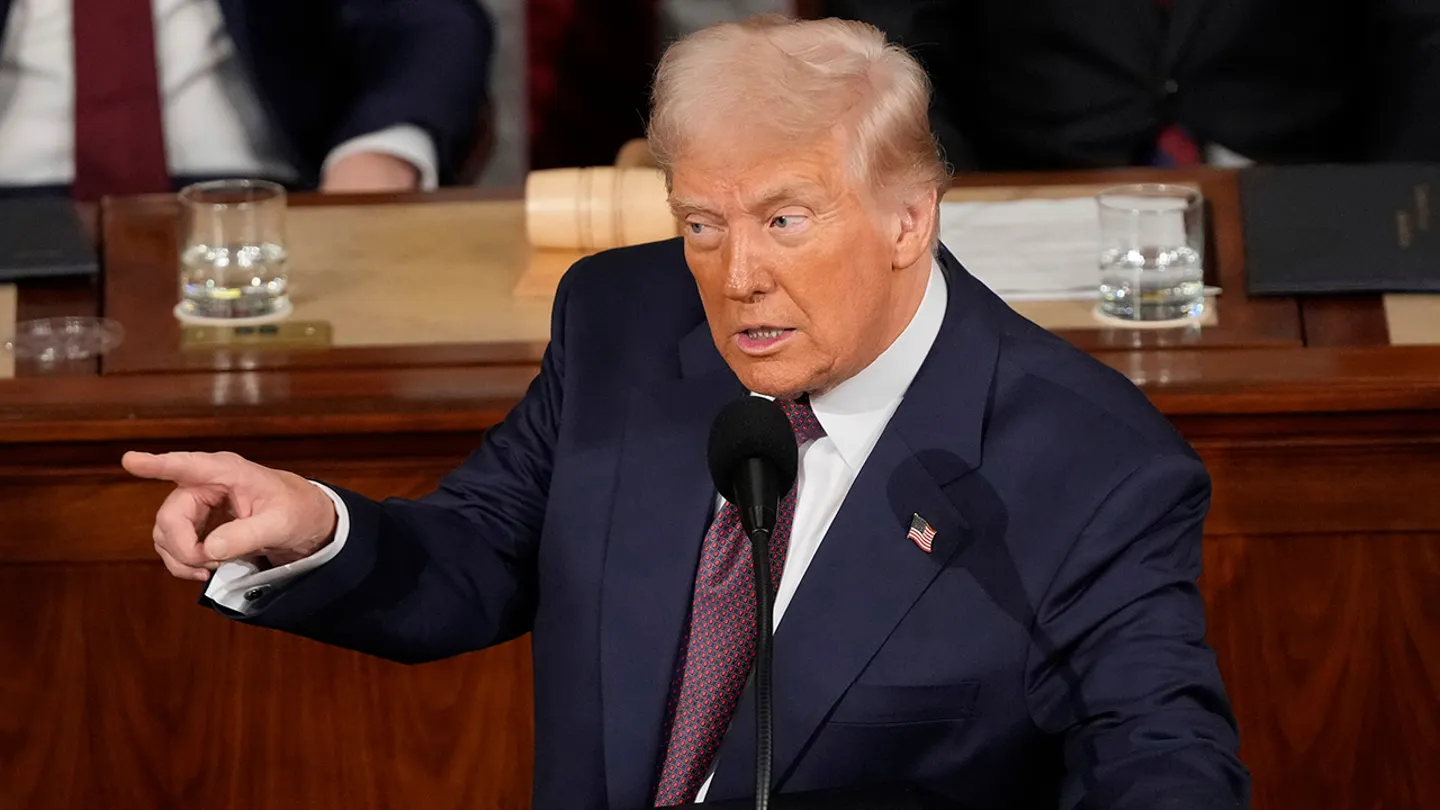
Trump’s advisers have also moved to reassure the public. Commerce Secretary Howard Lutnick dismissed recession concerns outright, while Treasury Secretary Scott Bessent described the situation as a “natural adjustment” rather than an economic downturn.
“The full-court press by the president and his surrogates suggests they are under immense pressure—from Wall Street, Republican lawmakers, and corporate leaders,” noted Kate Kalutkiewicz, a senior managing director at McLarty Associates.
Economists remain divided on Trump’s approach. Stephen Moore of the Heritage Foundation, a former Trump adviser, argued that tariffs should have been implemented only after Congress passed tax cuts. “First, let’s get the economy booming again, and then let’s talk about tariffs,” he suggested.
Critics warn that Trump’s tariff strategy is hurting American businesses and workers. Senator Ron Wyden, a leading Democrat on the Senate Finance Committee, called the policy “poison” for the economy. “The chaos they create every day is an anchor dragging American workers under,” he said.

The looming question remains: how long can Trump endure a declining stock market and the negative headlines that accompany it?
“I don’t know,” Moore admitted. “It’s a good question. I’m sure the president is concerned about the losses in the stock market over the last 10 days. We all are.”
About the Author