

A federal appeals court maintains a law that mandates TikTok’s sale or prohibition in the United States.
On Friday, a federal appeals court unanimously upheld a law that could lead to a potential ban of T.T in the United States as early as next month. This decision represents a significant setback for the popular social media platform as it struggles to maintain its presence in the country.
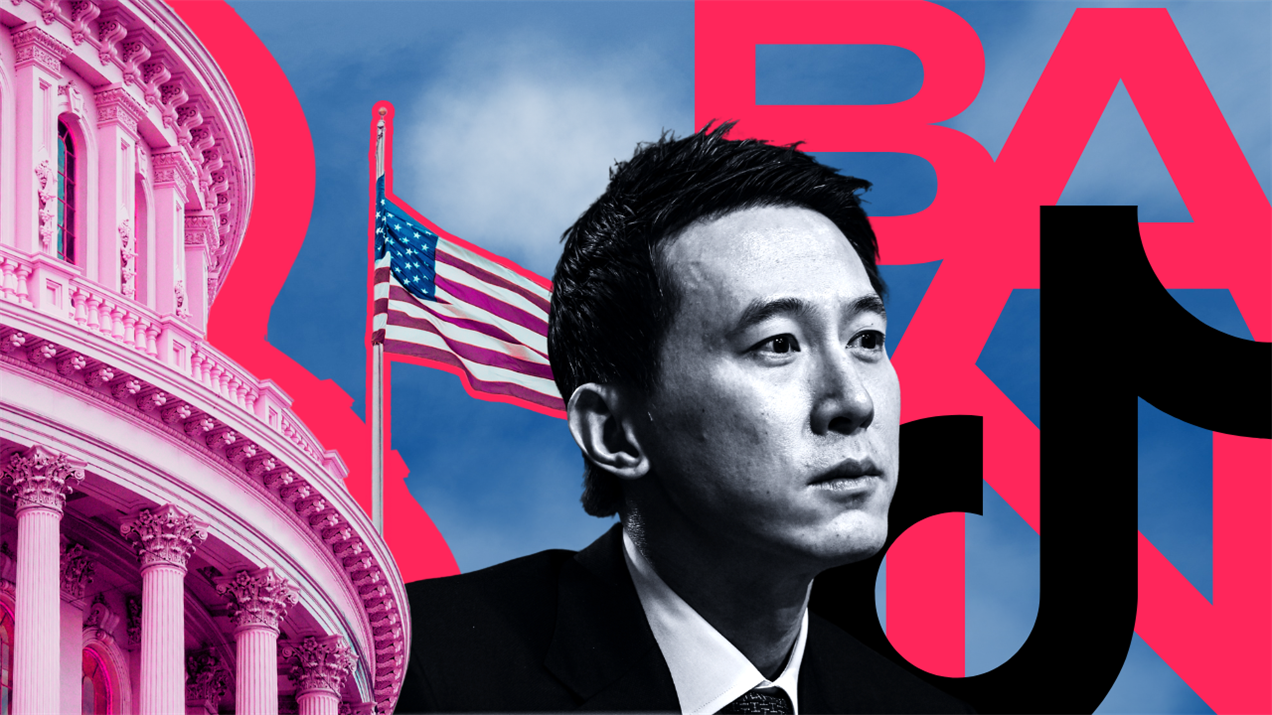
The U.S. Court of Appeals for the District of Columbia Circuit rejected TikTok’s request to overturn the law, which mandates that TikTok sever its ties with its China-based parent company ByteDance by mid-January or face a ban. The court dismissed TikTok’s argument that the statute infringed upon the First Amendment.
In the court’s opinion, written by Judge Douglas Ginsburg, it was stated, “The First Amendment exists to protect free speech in the United States. Here, the Government acted solely to protect that freedom from a foreign adversary nation and to limit that adversary’s ability to gather data on people in the United States.
What is the anticipated date of the TikTok ban?
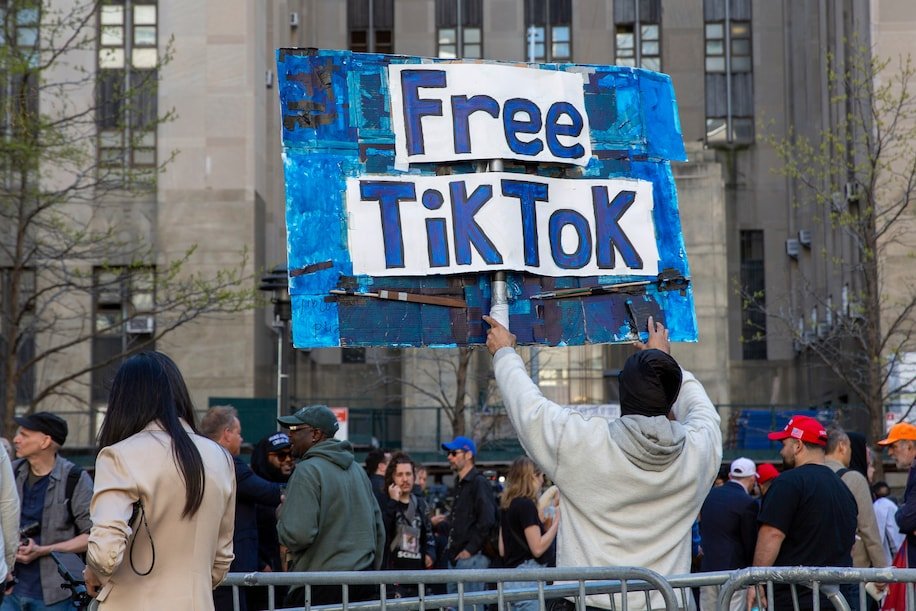
TikTok and ByteDance plan to appeal to the Supreme Court, although it is uncertain whether the court will agree to hear the case. TikTok spokesperson Michael Hughes expressed optimism, stating, “The Supreme Court has an established historical record of protecting Americans’ right to free speech, and we expect they will do just that on this important constitutional issue.” Hughes also criticized the law, describing it as based on flawed and hypothetical information that could lead to censorship of American voices, affecting over 170 million users globally.
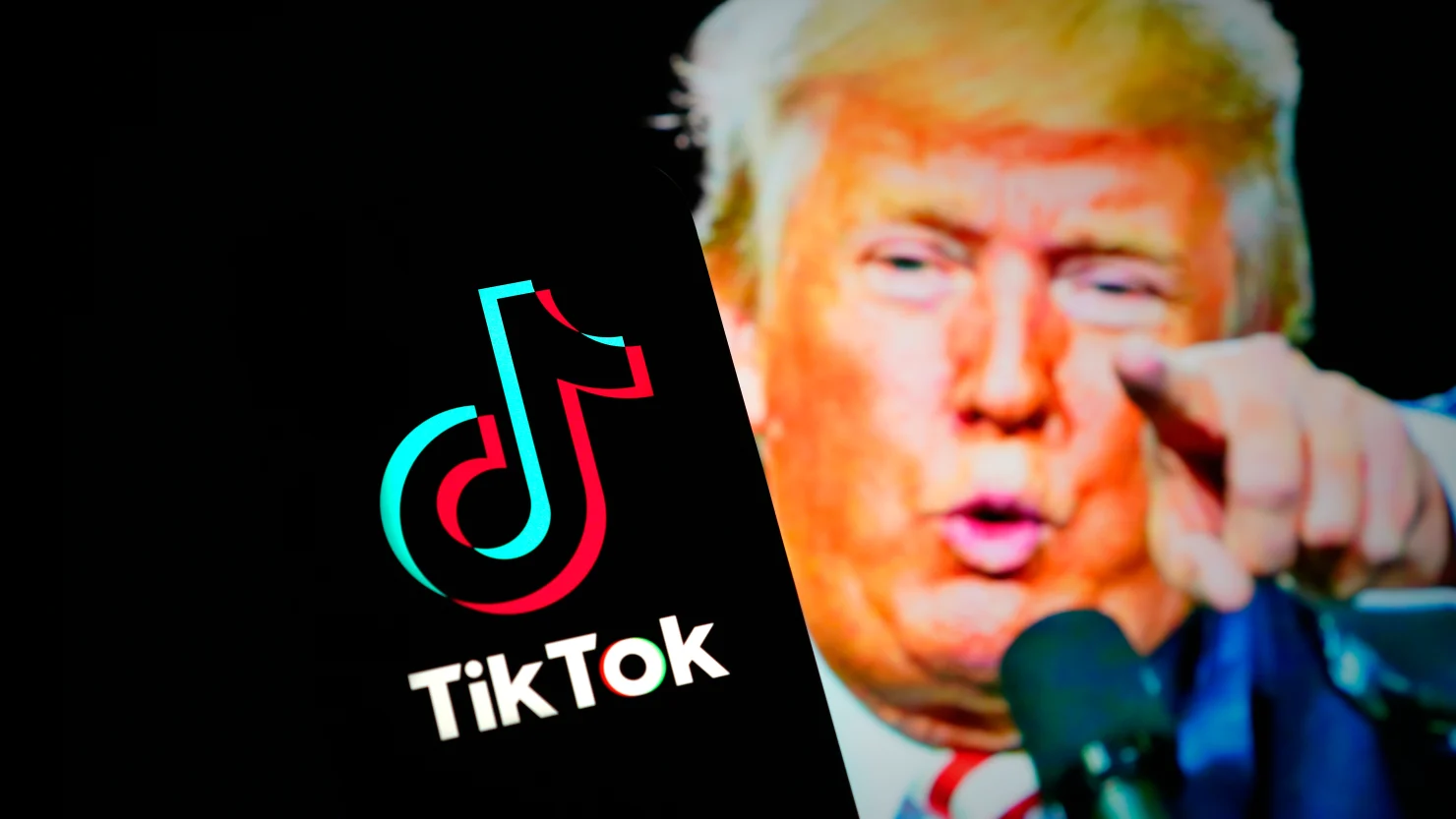
Despite the legal proceedings, there is a possibility that President-elect Donald Trump might intervene. Although he previously attempted to ban T.T, Trump indicated during his presidential campaign that he now opposes such action. “He wants to save T.T,” said Rep. Michael Waltz, Trump’s pick for national security adviser, during a Fox Business interview.
President Joe Biden signed the law in question in April and is the result of years of concern in Washington over TikTok’s connections to China. The U.S. government has raised alarms about TikTok’s collection of user data and the potential for this information to be accessed by the Chinese government. There are also concerns about the app’s algorithm being manipulated by Chinese authorities to influence content.
Attorney General Merrick Garland praised the court’s decision, stating, “Today’s decision is an important step in blocking the Chinese government from weaponizing TikTok.” Meanwhile, TikTok has consistently denied that it could be used by Beijing for spying or manipulation. The company’s attorneys argue that the U.S. has not provided evidence to support these claims and that the law is based on speculative future risks.
The appeals court’s decision follows a hearing in September where judges grappled with the implications of TikTok’s foreign ownership and the extent of the government’s power to restrict foreign influence on the platform. Judge Ginsburg dismissed TikTok’s arguments, including the claim that the law constitutes an unlawful bill of attainder and a violation of the Fifth Amendment. He asserted that the law does not suppress content but rather seeks to protect national security.
Chief Judge Sri Srinivasan issued a concurring opinion, aligning with the majority’s decision. TikTok’s lawsuit was consolidated with other legal challenges, including cases brought by content creators and the nonprofit BASED Politics Inc. The Knight First Amendment Institute and other organizations also submitted briefs supporting TikTok.
Jameel Jaffer, executive director of the Knight First Amendment Institute, criticized the ruling, suggesting it grants the government excessive power to restrict access to information. He expressed hope that the decision would not be the final word on the matter.
Lawmakers who supported the legislation celebrated the court’s ruling. Republican Rep. John Moolenaar expressed optimism about a potential American takeover of TikTok, while Democratic Rep. Raja Krishnamoorthi urged ByteDance to comply with the law.
TikTok claims it has invested heavily in protecting U.S. user data and has proposed a draft agreement to the Biden administration, which the government allegedly abandoned. The company argues that divesting TikTok without its algorithm would render the U.S. version disconnected from the global platform.
Despite these challenges, some investors, including former Treasury Secretary Steven Mnuchin and billionaire Frank McCourt, have shown interest in purchasing T.T U.S. operations. McCourt’s Project Liberty initiative has reportedly secured informal commitments of over $20 billion for this endeavor.


