

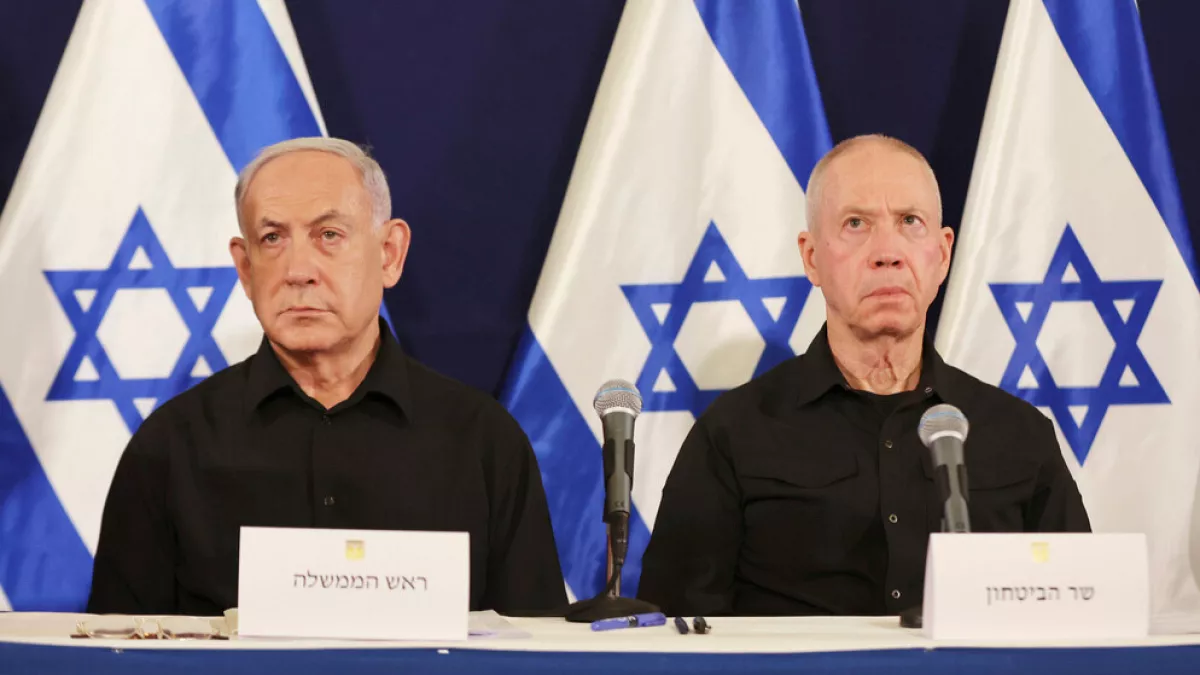
Arrest warrants have been issued by the International Criminal Court (ICC) for a senior Hamas leader, former Defense Minister Yoav Gallant, and Israeli Prime Minister Benjamin Netanyahu. These people are charged with war crimes both during and after last year’s October 7 strikes against Israel. In the protracted Israeli-Palestinian conflict, the action represents a major legal and political development.
The ICC, which is headquartered in The Hague, Netherlands, declared on Thursday that it has discovered “reasonable grounds” to suspect Netanyahu of committing a number of war crimes. These include “crimes against humanity” like murder, persecution, and other cruel deeds, as well as “starvation as a method of warfare.” Actions against Palestinians throughout the continuing conflict are the subject of the complaints.
A Historic First for Israel
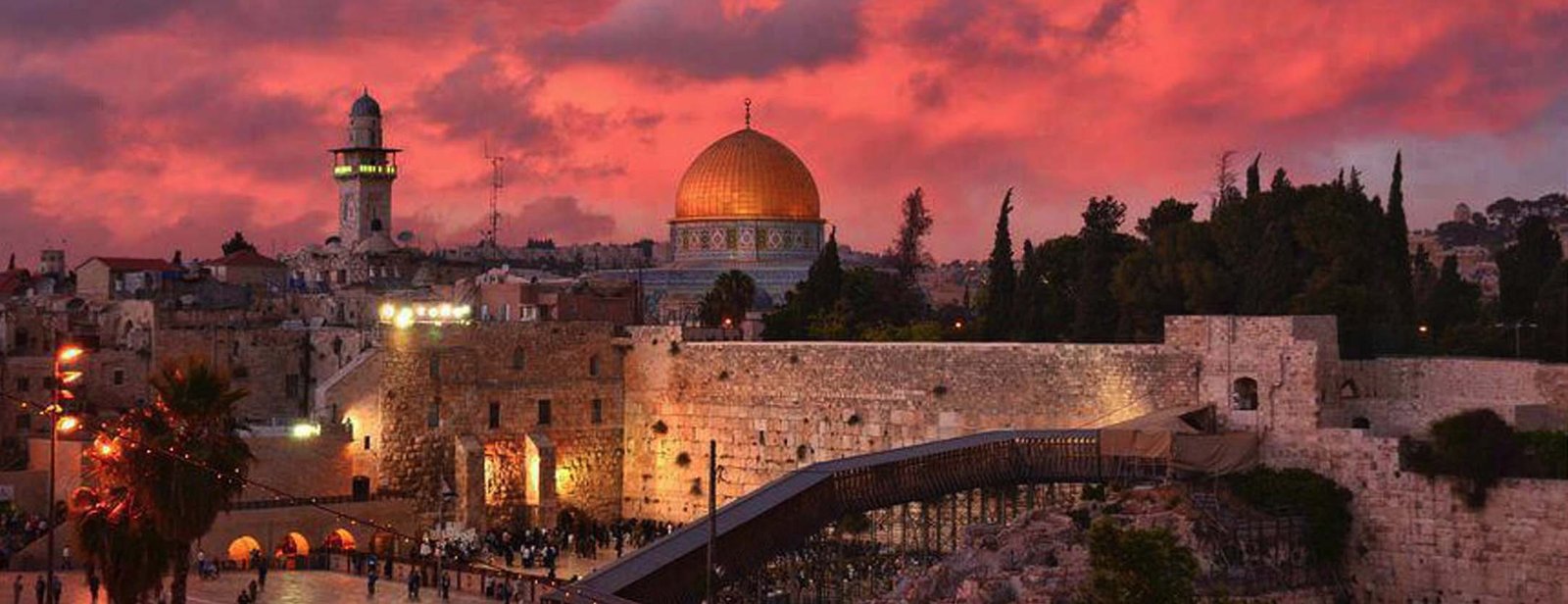
An international court has summoned an Israeli leader for the first time for activities related to the 75-year-old conflict. ICC warrants have significant ramifications even though they do not ensure an arrest. For example, there may be significant restrictions on Netanyahu’s freedom of movement to ICC member states. These nations are required by law to hold those who are the subject of ICC arrest warrants.
The ICC’s ruling was sharply attacked by Netanyahu’s office, which described it as “absurd and antisemitic.” Israel categorically denies the court’s charges, according to a statement from his office, which also called the ICC a “biased and discriminatory body.” Additionally, the statement emphasized that Israel’s military assault was a reaction to what it described as “the largest massacre against the Jewish people since the Holocaust,” which referred to Hamas attacks. The prime minister would continue to pursue the objectives of Israel’s military campaign, according to Netanyahu’s office, and would not bow to pressure from other countries.
Israel Challenges ICC’s Authority
Israel is not a member of the ICC, just like the US. The court’s jurisdiction over the conduct of both countries has been contested for a long time. However, the ICC claims that it has the power to look into and bring charges against crimes that are committed in areas that fall under its purview. This covers regions that are regarded as occupied territory, such as the West Bank, Gaza, and East Jerusalem. In 2015, the Palestinian government finally acknowledged the ICC’s jurisdiction over alleged crimes in these regions.
The ICC issued an arrest warrant for Mohammed Deif, a top Hamas official, in addition to Netanyahu and Gallant. Deif is charged with being the mastermind behind the October 7 attacks, which caused extensive bloodshed and killed civilians in Israel. Hamas has not verified Deif’s death, despite Israeli sources saying he was killed in an airstrike in September. According to the International Criminal Court, it has “reasonable grounds” to suspect Deif of war crimes such hostage-taking and the brutal treatment of civilians, as well as crimes against humanity like sexual assault, torture, and murder.
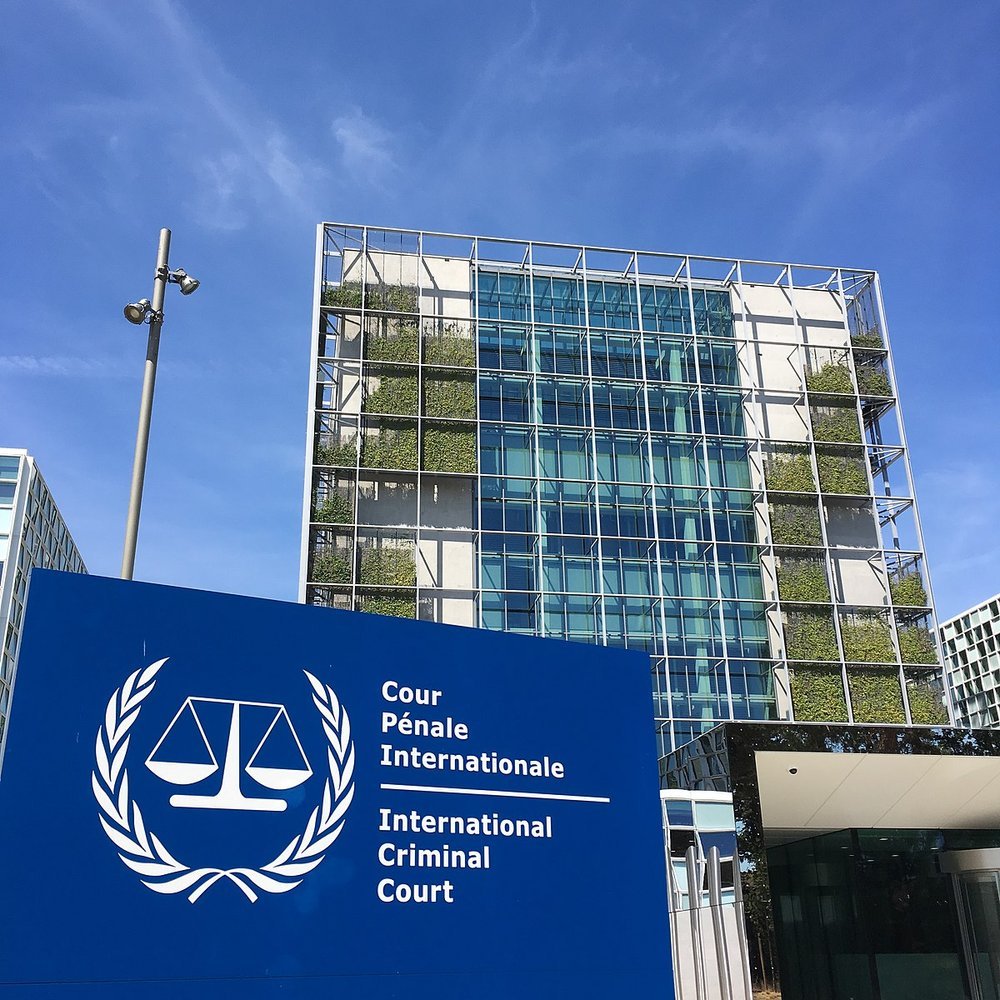
Deif was charged by the court with directing the commission of these crimes, failing to maintain control over the soldiers he commanded, and directly taking part in them. The ICC further stated that these actions were a component of a broad and organized assault on Israeli citizens by Hamas and other armed groups.
Israeli Leaders React
Israeli authorities from all political stripes have harshly criticized the ICC’s conduct. The arrest warrants were denounced by President Isaac Herzog, who called it a “dark day for justice and humanity.” He called the International Criminal Court’s actions “outrageous” and a parody of global justice, arguing that the court’s ruling undercuts the sacrifices made by those who work for justice.
Herzog also accused the court of failing to see the larger picture, arguing that Israel had the right to protect itself because it was defending against a vicious onslaught. He underlined that Israel is a democracy that complies with international humanitarian standards and takes action to meet the needs of those living in areas of conflict.
Similar to Herzog, Foreign Minister Gideon Sa’ar charged that the ICC was serving as a political instrument for extremist organizations. Sa’ar claimed that the arrest warrants reward individuals who threaten Middle Eastern peace and stability, calling the court’s decisions “morally twisted.”
A tougher stand was taken by far-right National Security Minister Itamar Ben Gvir, who referred to the ICC as “antisemitic” and urged Israel to retaliate by claiming sovereignty over the West Bank. Additionally, he supported the growth of Jewish communities in the area, a contentious move that has received criticism from all around the world.
Wider Consequences
It is anticipated that the International Criminal Court’s ruling will have far-reaching effects. It may restrict Israeli officials’ worldwide travel and make international collaboration with Israel’s military more difficult, according to legal experts. For example, if someone enters the territory of one of the 124 nations that are parties to the ICC, they are legally required to be arrested.
One of the most important legal events in Israel’s history, according to Eliav Lieblich, a professor of international law at Tel Aviv University, was the ICC’s action. The arrest orders might have practical and symbolic effects, isolating Israeli officials on the international scene, he said, even if the International Criminal Court does not have its own enforcement apparatus.
Leaders with ICC arrest warrants, like Omar al-Bashir of Sudan, have previously faced limitations on their overseas travel. Since the ICC lacks a police force of its own, the procedure depends on member states to uphold the court’s rulings.
It is unclear how Israel and the international community will react to the International Criminal Court’s extraordinary moves as the crisis develops. This development demonstrates the Israeli-Palestinian conflict’s increasing complexity and its profound legal, political, and humanitarian ramifications.
Source: CNN


