

Prince Frederik of Luxembourg, the youngest son of Prince Robert of Luxembourg and Princess Julie of Nassau, passed away in Paris on March 1 at the age of 22. His death, which came just one day after Rare Disease Day, was caused by POLG, a rare and incurable genetic disorder.
His father, Prince Robert, announced the heartbreaking news on March 7 through a statement on the website of the POLG Foundation, an organization Frederik co-founded in 2022 and served as creative director for.
“Frederik fought his disease valiantly until the very end,” Robert wrote. “His indomitable lust for life propelled him through the hardest of physical and mental challenges.”
A Legacy of Strength and Advocacy
Frederik, remembered as a determined fighter and passionate advocate, is survived by his parents, his siblings Alexander and Charlotte, extended family members, and his beloved dog, Mushu.

His father described him as an inspiration to many. “Frederik knows that he is my superhero,” Robert wrote. “Part of his superpower was his ability to inspire and to lead by example.”
Despite his illness, Frederik expressed gratitude for the experiences it brought into his life. His father recalled him saying, “‘Even though I’ll die from it … and even if my parents do not have the time to save me, I know that they will be able to save other children.
What Is POLG Disease?
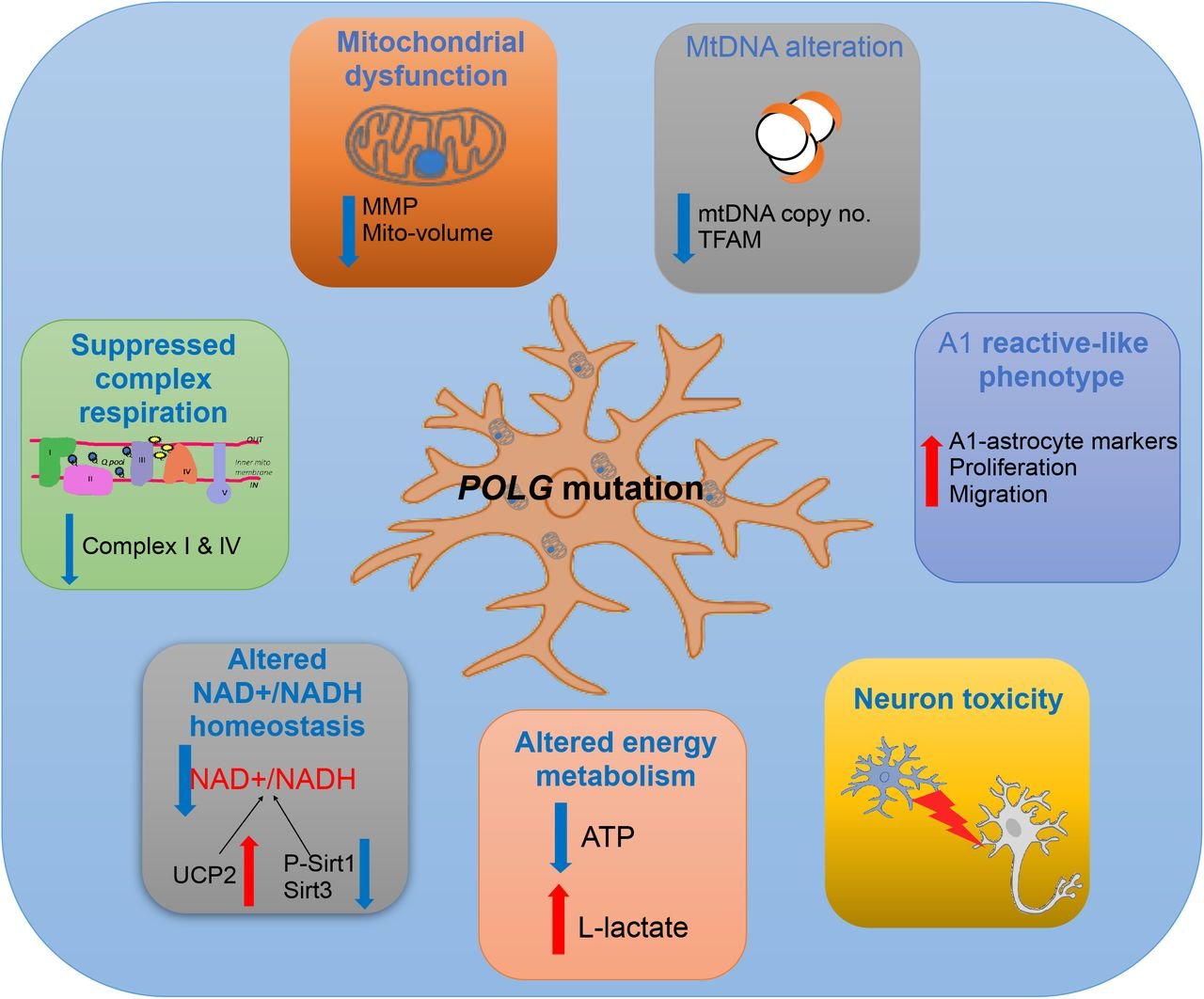
POLG is a mitochondrial disorder caused by mutations in the POLG gene, which plays a crucial role in DNA replication and repair. The disease affects multiple organs, including the brain, muscles, and liver, leading to severe and progressive symptoms.
Describing the impact of the illness, Robert wrote, “One might compare it to having a faulty battery that never fully recharges, is in a constant state of depletion, and eventually loses power.
Though POLG is one of the most common inherited mitochondrial diseases, affecting roughly 1 in 10,000 people, it remains difficult to diagnose due to its wide-ranging symptoms. Frederik was diagnosed at age 14 after years of uncertainty.
Professor Doug Turnbull, a neurologist at Newcastle University and a member of the POLG Foundation’s scientific advisory board, called POLG deficiency “the worst” of mitochondrial diseases, describing it as “relentlessly progressive” with devastating effects on vision, mobility, and speech. Life expectancy from the onset of symptoms can range from just a few months to 12 years.
Advancing Research: Frederik’s Lasting Impact
Frederik’s fight extended beyond his own battle with POLG. He was deeply involved in scientific advancements, even contributing his own DNA to further research into the disease.
The POLG Foundation, which he co-founded, has funded $3.6 million in research projects to explore potential treatments, partnered with Columbia University on Project Butterfly to study post-mortem tissues, and developed tools to track disease progression. In 2024, the foundation launched the first international POLG natural history study, aiming to better understand how the disease develops over time.
The research has implications far beyond POLG, potentially informing treatments for cancer, neurodegenerative diseases, immune disorders, and even aging, according to Robert’s statement.
Frederik and his mother, Julie, who dedicated 15 years to raising awareness about the disease, also created a documentary showcasing the experiences of POLG patients, including Frederik himself.
A Father’s Final Words
In his final moments, Frederik turned to his father and asked, “Papa, are you proud of me?
“He had barely been able to speak for several days, so the clarity of these words was as surprising as the weight of the moment was profound,” Robert wrote. “The answer was very easy … he needed reassurance that he had contributed all that he possibly could in his short and beautiful existence and that he could now finally move on.
Prince Robert’s final message to his son echoed what so many felt: “We are all so very proud of you, Frederik.”


