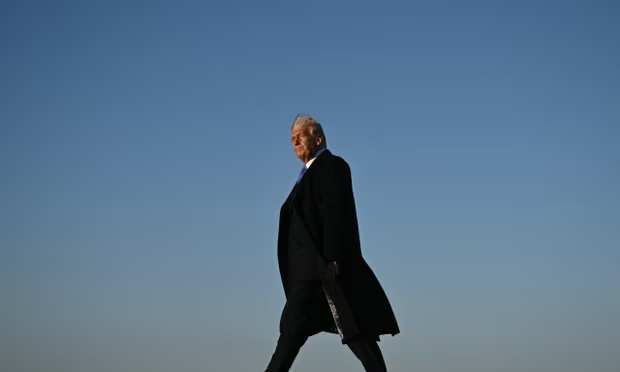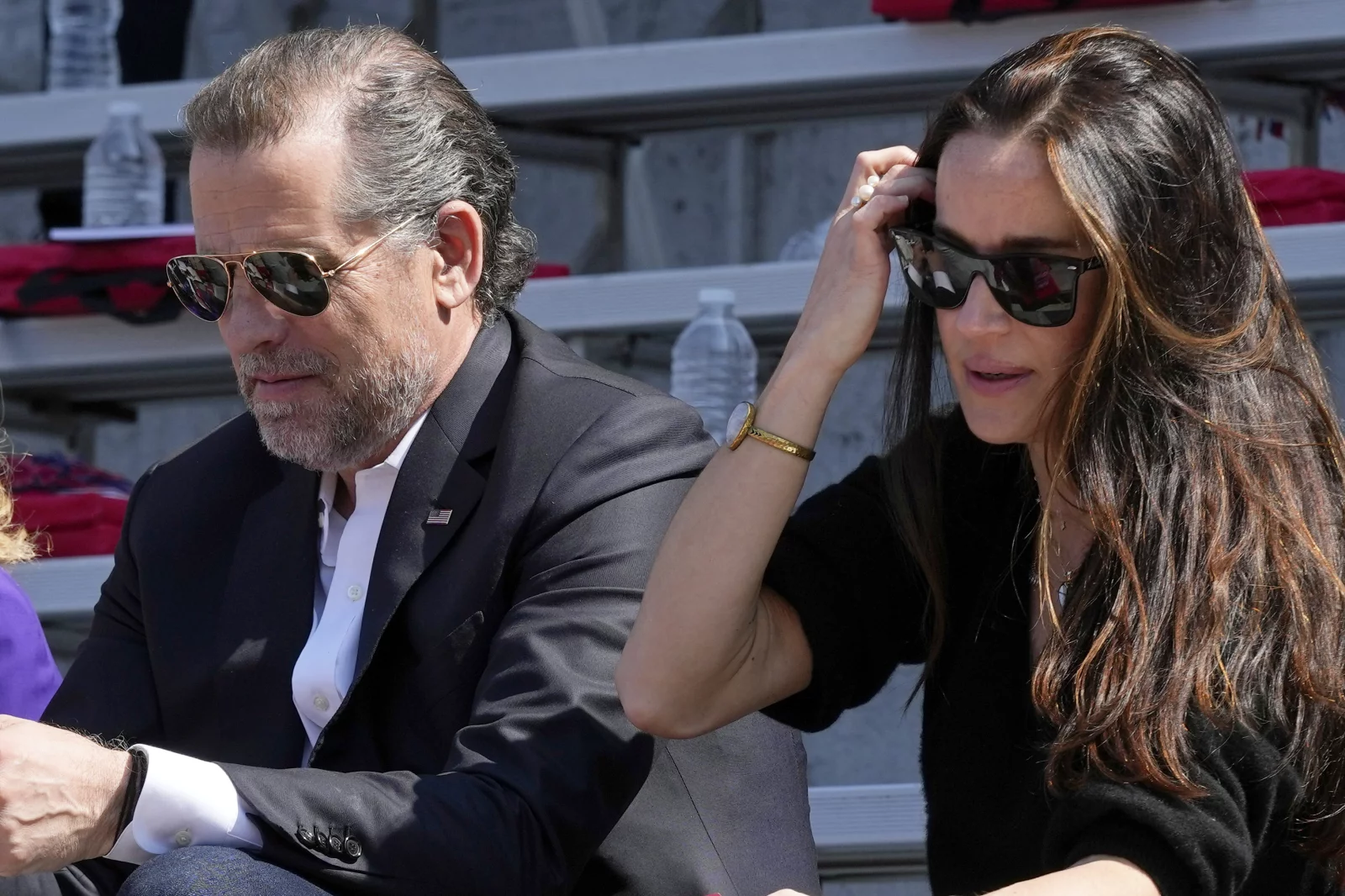

On Monday, March 17, 2025, President Donald Trump announced the immediate termination of Secret Service protection for Hunter Biden and Ashley Biden, the adult children of former President Joe Biden. The decision, shared via Trump’s Truth Social account, has sparked debate over the use of taxpayer dollars for extended security details for former presidents’ families.
In his post, Trump criticized the size and cost of the Secret Service details assigned to Hunter and Ashley Biden. He claimed that Hunter’s security involved as many as 18 agents while he was vacationing in South Africa, calling it “ridiculous.” Similarly, Trump noted that Ashley Biden was protected by 13 agents and stated that both would be removed from the protection list immediately.
“Hunter Biden has had Secret Service protection for an extended period of time, all paid for by U.S. taxpayers,” Trump wrote. “Effective immediately, Hunter Biden will no longer receive Secret Service protection. Likewise, Ashley Biden will also be taken off the list.”
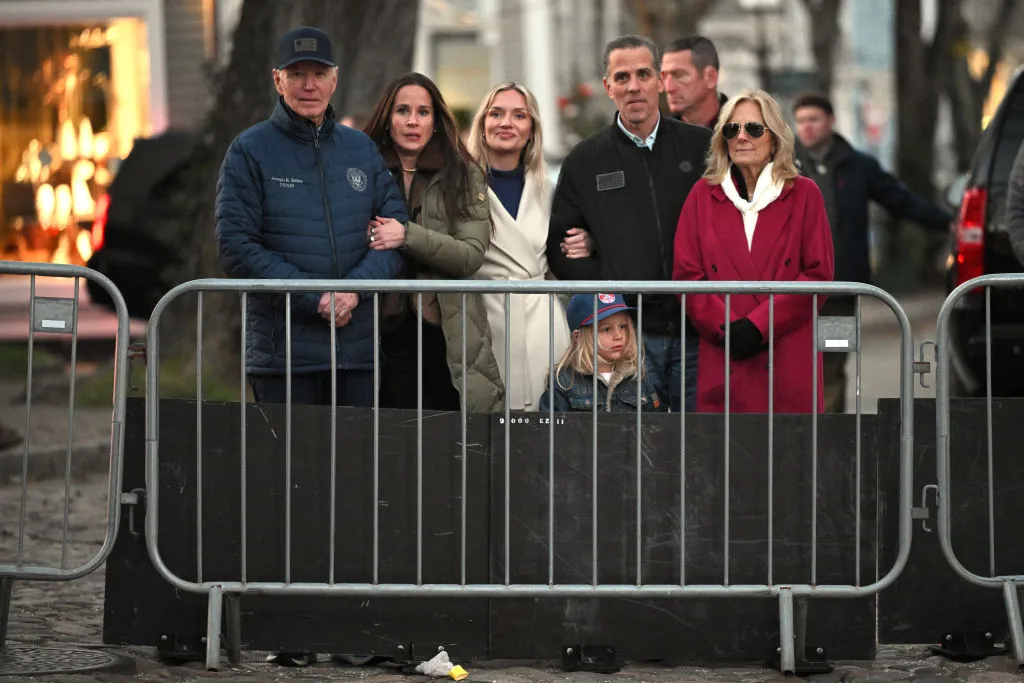

The Secret Service confirmed it was aware of Trump’s decision and is working with protective details and the White House to ensure compliance. In a statement, Anthony Guglielmi, chief of communications for the agency, said: “The Secret Service will comply and is actively coordinating with all parties to transition this change as swiftly as possible.”
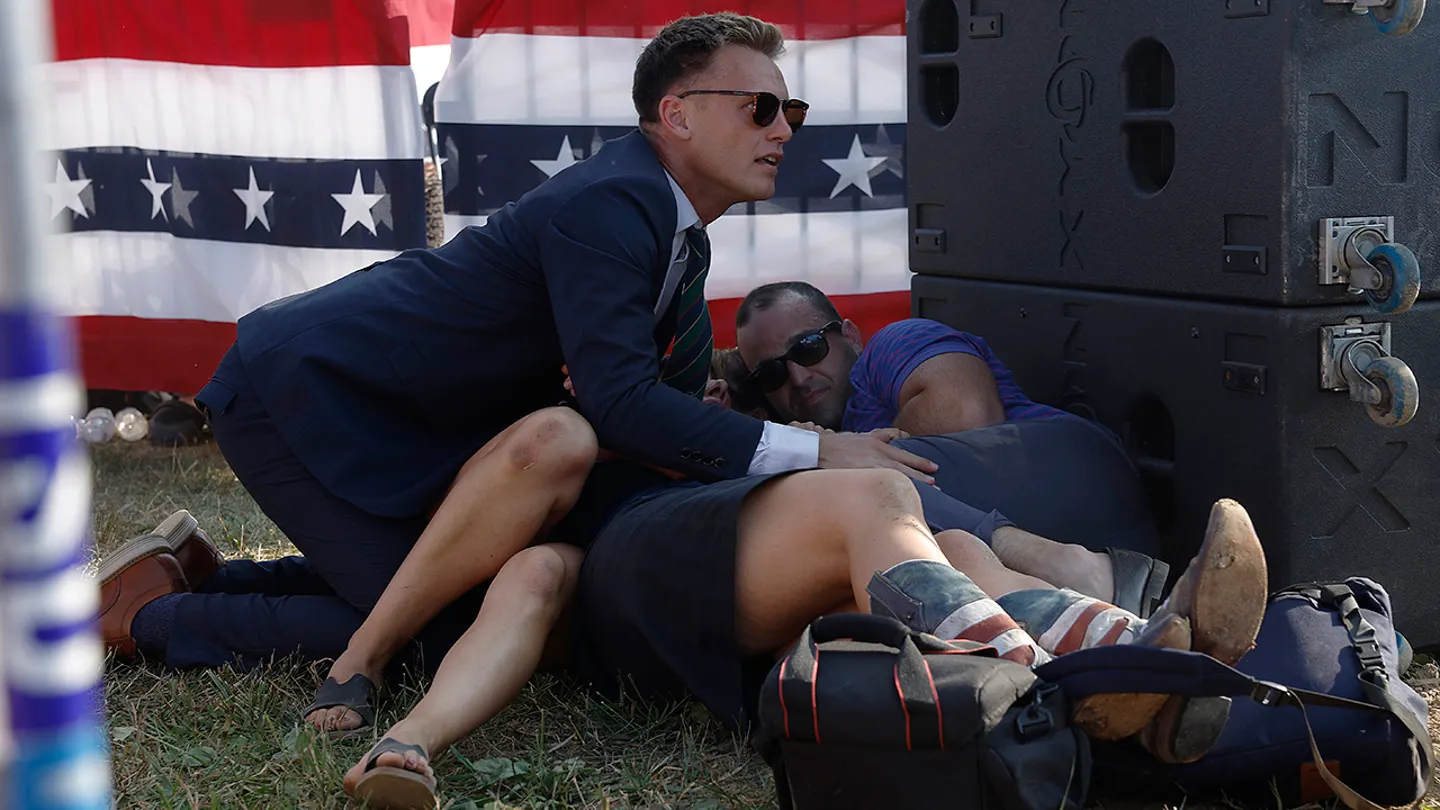

Under federal law, former presidents and their spouses are entitled to lifetime Secret Service protection. However, their children lose this coverage once they turn 16 or when the president leaves office. Outgoing presidents can extend this protection for up to six months at their discretion.
Both Joe Biden and Donald Trump extended Secret Service coverage for their adult children during their respective transitions out of office. For instance:
-
In 2021, Trump extended protection for his children after leaving office.
-
Similarly, Joe Biden authorized six months of protection for Hunter and Ashley Biden after his term ended in January 2025.
This practice is not unusual; former Presidents Barack Obama and George W. Bush also extended temporary protection for their families during their transitions.
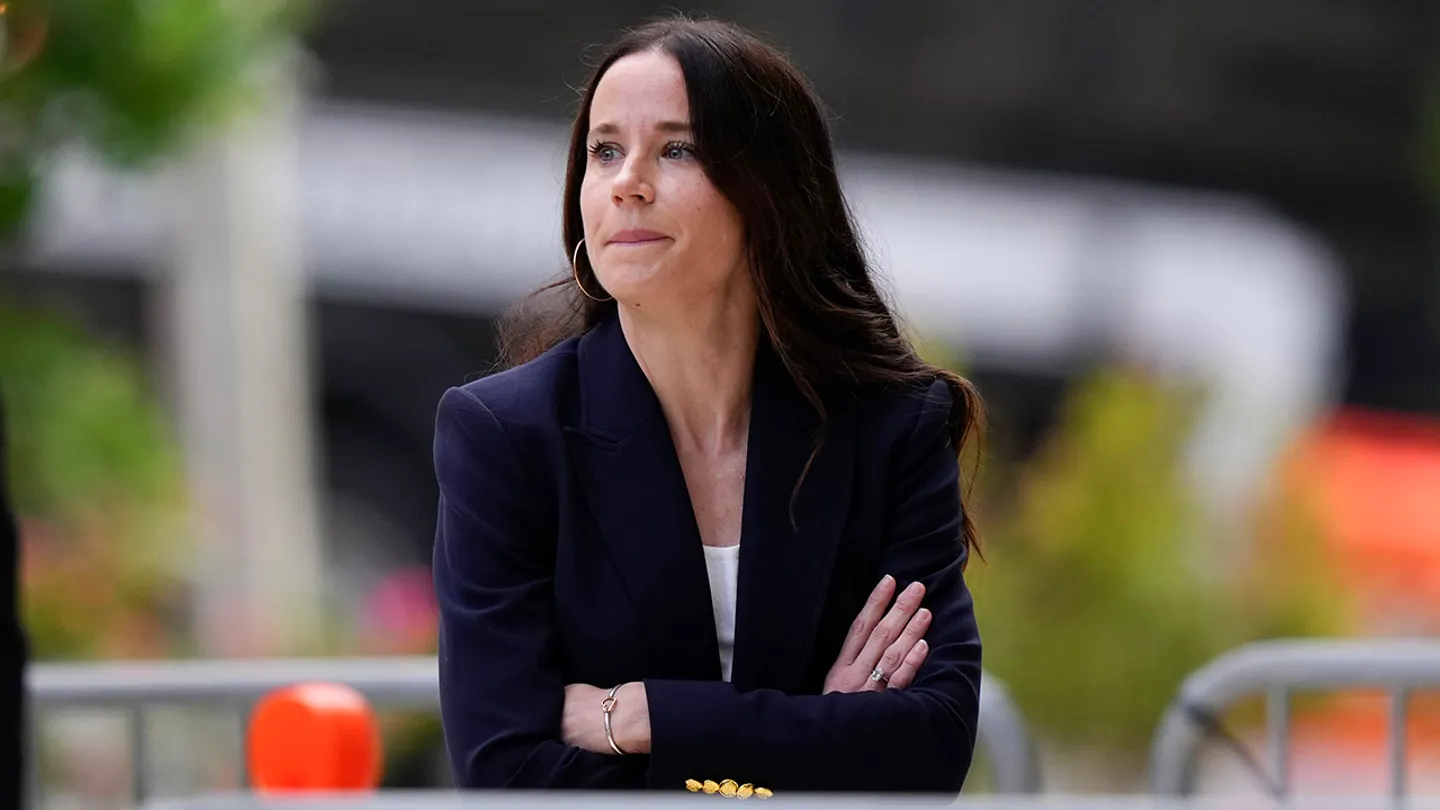
Trump’s announcement came after reports surfaced that Hunter Biden was vacationing in South Africa with his wife. The trip drew criticism from Trump, who has frequently targeted Hunter in political commentary. Trump’s remarks also referenced South Africa’s controversial land reform policies and its alleged support for groups like Hamas and Iran.
During a tour of the Kennedy Center earlier on Monday, Trump was asked by a reporter about Hunter’s security detail in South Africa. He responded that he was learning about it “for the first time” but would “take a look at it.” Hours later, he announced his decision to revoke protection for both Hunter and Ashley Biden.
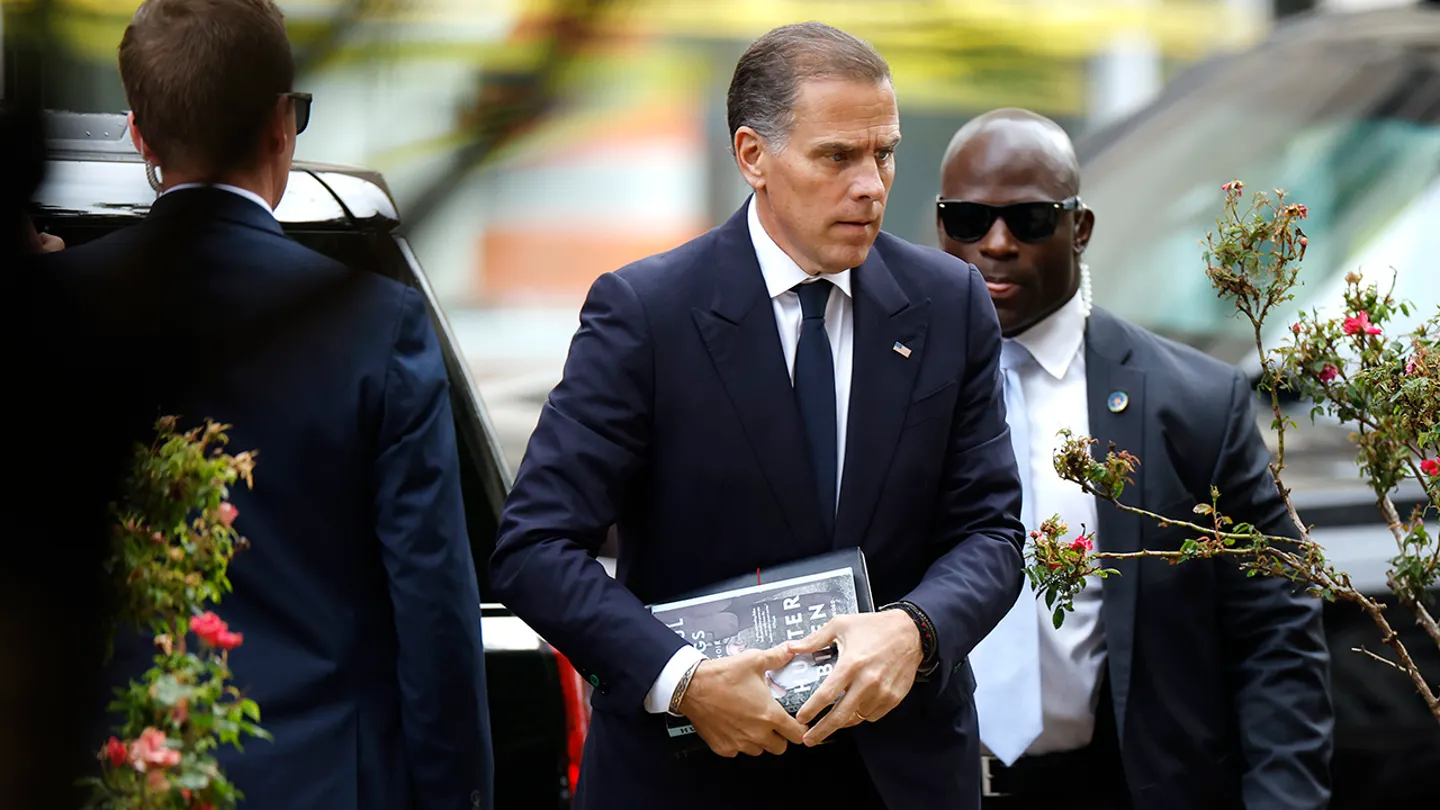
The decision has sparked mixed reactions across political lines:
-
of Trump have praised the move as a cost-saving measure that prevents taxpayer dollars from funding extended security for individuals no longer entitled to it under federal law.
-
, however, argue that the decision appears politically motivated given Trump’s history of targeting the Biden family in public statements.
Some have pointed out that Trump himself extended similar protections to his own adult children after leaving office in 2021 without facing significant backlash.
While the immediate impact on Hunter and Ashley Biden remains unclear, experts note that removing Secret Service protection could pose challenges for high-profile individuals like them. Both are well-known figures due to their connection to Joe Biden and have been frequent subjects of public scrutiny.
Security analysts emphasize that decisions regarding Secret Service coverage should balance cost concerns with potential risks to individuals’ safety.
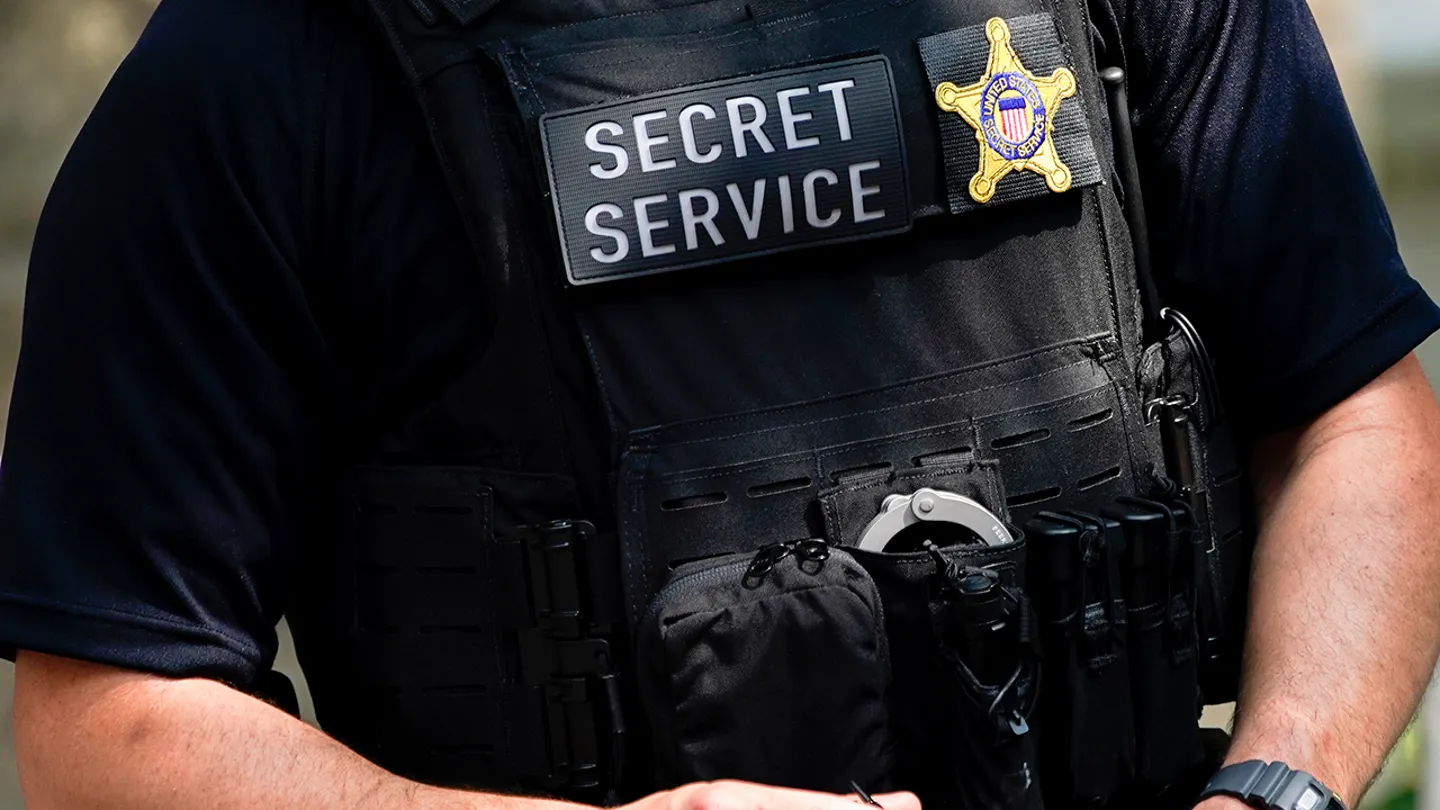
This development is part of a broader narrative involving political tensions between Donald Trump and Joe Biden’s family. Since returning to office in 2024, Trump has frequently criticized Hunter Biden over his business dealings and personal life.
The revocation of Secret Service protection is seen by some as another chapter in this ongoing feud. However, others view it as a routine administrative decision aimed at reducing government expenses.
As per federal regulations, the transition away from Secret Service coverage will involve coordination between the agency and relevant parties to ensure a smooth process. It is unclear whether Hunter or Ashley Biden will seek private security arrangements following this change.
Meanwhile, discussions about taxpayer-funded protections for former presidents’ families are likely to continue as part of broader debates about government spending and accountability.
President Trump’s decision to revoke Secret Service protection for Hunter and Ashley Biden highlights ongoing political divisions while raising questions about how security resources are allocated for former presidents’ families. Whether viewed as a cost-saving measure or a politically charged move, this development underscores the complexities surrounding such decisions in today’s polarized political climate.
About the Author