
Trump Administration Releases Final Batch of JFK Assassination Files, Sparking Renewed Interest and Debate
On Tuesday evening, the Trump administration made public tens of thousands of previously classified documents related to the assassination of President John F. Kennedy. This long-awaited release, which includes approximately 80,000 pages of records, offers historians, researchers, and the public unprecedented access to materials that have fueled speculation and conspiracy theories for over six decades.
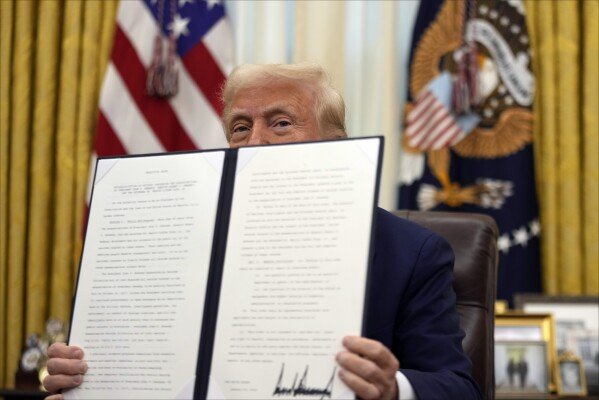
The files were uploaded by the National Archives and Records Administration (NARA) and are now accessible online or in person at their College Park, Maryland facility. This release follows an executive order signed by President Donald Trump in January, mandating the declassification of all remaining records related to the assassinations of John F. Kennedy, Robert F. Kennedy, and Martin Luther King Jr.

What’s in the Newly Released Files?
The contents of the documents include a mix of typed reports, handwritten notes, photographs, and audio recordings from the 1960s. While many files have been partially available in redacted form for years, this release provides unredacted versions of previously withheld materials.
One document dated November 20, 1991, sheds light on Lee Harvey Oswald’s time in the Soviet Union. According to a KGB official named Nikonov, Oswald was closely monitored during his stay but was not a KGB agent. The files describe Oswald as having poor marksmanship and a tumultuous relationship with his Soviet wife. These details align with findings from earlier investigations but add further context to Oswald’s background.
Other documents touch on Cold War-era tensions between the United States and Cuba. Department of Defense files from 1963 suggest that while Cuban leader Fidel Castro was unlikely to provoke a direct war with the U.S., he was actively supporting communist movements in Latin America.

The Warren Commission and Lingering Questions
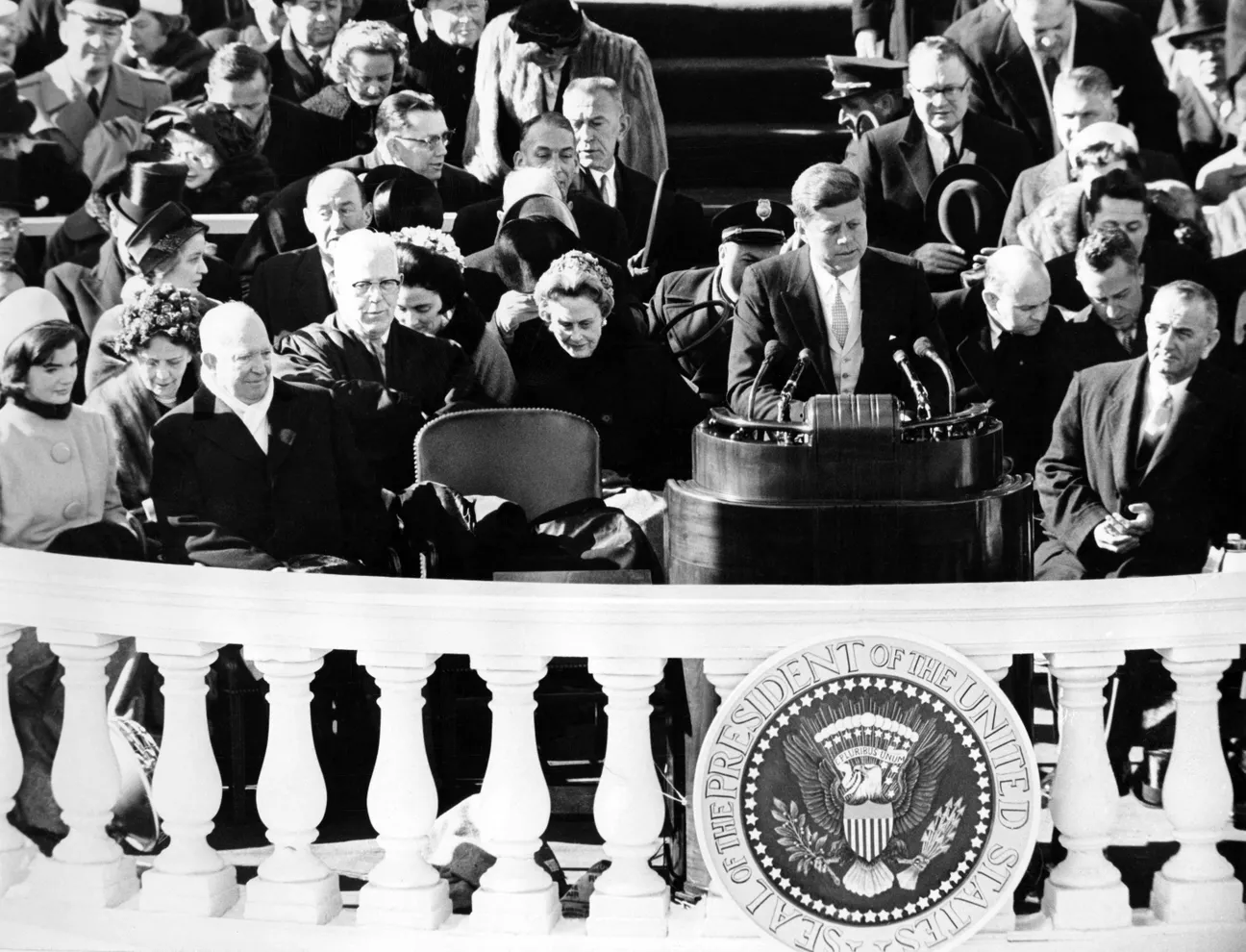
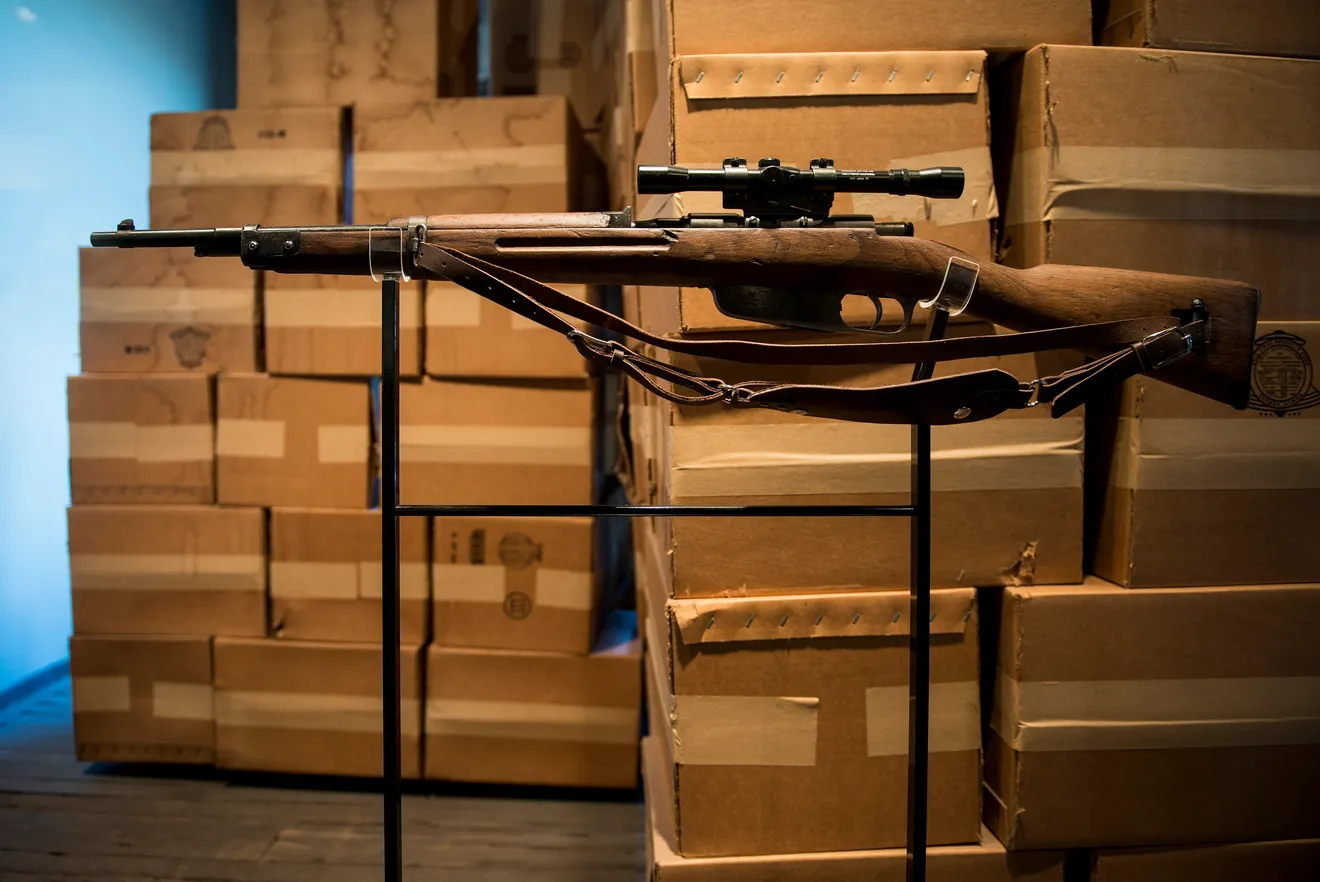
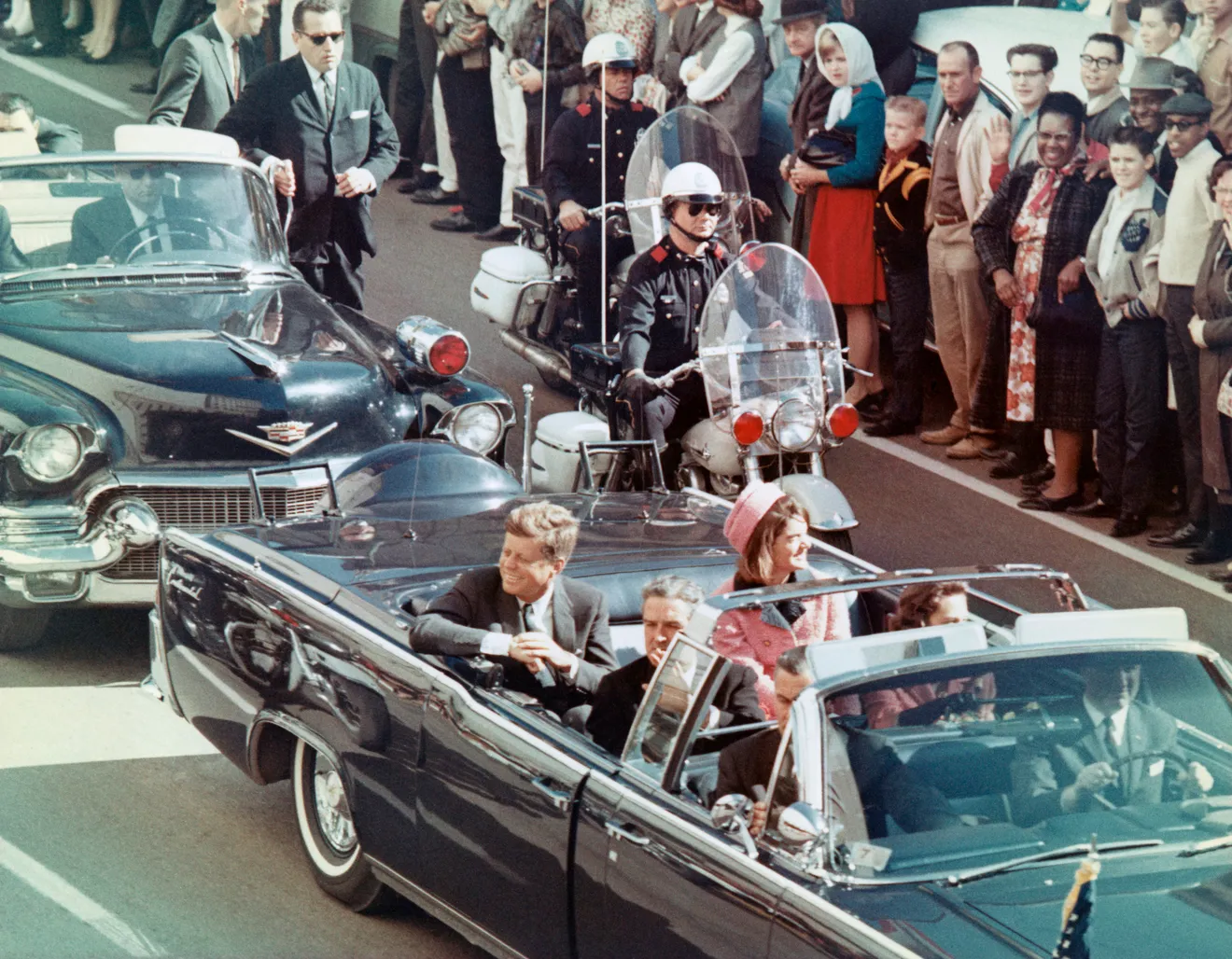
The release revisits conclusions drawn by the Warren Commission, which was established by President Lyndon B. Johnson shortly after Kennedy’s assassination on November 22, 1963. The commission determined that Lee Harvey Oswald acted alone when he fired fatal shots at Kennedy from the Texas School Book Depository in Dallas.
Despite these findings, public skepticism has persisted for decades. A 2023 Gallup poll revealed that 65% of Americans believe Kennedy’s assassination involved a broader conspiracy. Theories range from CIA involvement to foreign plots tied to Cuba or the Soviet Union.
Critics have long accused intelligence agencies like the CIA and FBI of withholding critical information about the case. While officials maintain that remaining classified materials were kept secret to protect national security methods and sources, many researchers hope this latest release will provide new insights.

Trump’s Push for Transparency
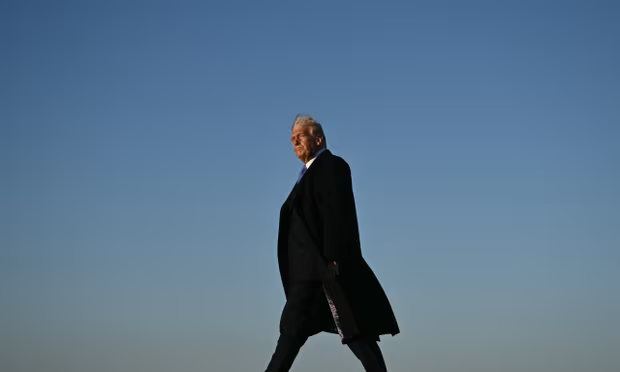
President Trump has been vocal about his commitment to “maximum transparency” regarding government records. His executive order not only targeted JFK-related files but also included documents on Robert F. Kennedy and Martin Luther King Jr., both of whom were assassinated during tumultuous periods in American history.
Tulsi Gabbard, Trump’s Director of National Intelligence, praised the release as a step toward rebuilding public trust in federal agencies. “This is part of our effort to ensure Americans have access to their history,” she stated. However, critics argue that some information remains classified due to court seals or grand jury secrecy laws.


Challenges for Historians
While this release is being hailed as a significant milestone, historians caution that it will take months—if not years—to fully analyze the newly available documents. Jefferson Morley, vice president of the Mary Ferrell Foundation and an expert on JFK assassination records, called this “an encouraging start.” He noted that roughly one-third of previously redacted documents are now complete versions but emphasized that key files remain undisclosed.
Morley highlighted records related to CIA Director John McCone’s interactions with President Lyndon B. Johnson following Kennedy’s death as particularly important. McCone has been accused of withholding information from investigators during the Warren Commission’s inquiry.

Renewed Debate Over Lee Harvey Oswald
The newly released files also revive discussions about Lee Harvey Oswald’s role in Kennedy’s assassination. Some documents reference conspiracy theories suggesting Oswald had ties to foreign governments or intelligence agencies. However, most evidence continues to support the conclusion that he acted alone as a “delusional lone wolf.”
One intriguing detail comes from reports on Oswald’s time in Mexico City before the assassination. Surveillance records indicate he visited both Cuban and Soviet embassies during his stay—a fact that has fueled speculation about potential foreign involvement.
A Race Against Deadlines
Trump’s directive set off a flurry of activity within federal agencies tasked with reviewing and releasing classified materials. The Justice Department’s National Security Division reportedly scrambled to meet Monday’s deadline for declassification reviews.
An email obtained by ABC News revealed that attorneys were instructed to provide “a second set of eyes” on all documents as part of an “urgent NSD-wide project.” Despite these efforts, some records remain unavailable due to ongoing digitization processes or legal restrictions.
What Comes Next?
While this release marks significant progress in uncovering historical records, it is far from complete. Researchers are still awaiting access to over 500 IRS records and more than 2,400 FBI files linked to JFK’s assassination.
For those eager to dive into the newly released materials, NARA has made them available online and plans to continue uploading additional files as they are digitized.

Public Reaction
The public response has been a mix of excitement and skepticism. Many Americans see this as an opportunity to finally uncover hidden truths about one of the most pivotal events in U.S. history. Others remain doubtful that these documents will provide any groundbreaking revelations.
Trump himself expressed confidence that nothing significant would be redacted: “People have been waiting for decades for this,” he said during a visit to the John F. Kennedy Center for the Performing Arts earlier this week.

Conclusion
The release of these JFK assassination files represents a major step toward transparency but leaves many questions unanswered. As historians sift through tens of thousands of pages, it remains unclear whether these documents will change our understanding of Kennedy’s death or simply reaffirm long-held conclusions.
For now, one thing is certain: interest in JFK’s assassination—and its enduring mysteries—remains as strong as ever over sixty years later.
About the Author