

Ukrainian President Volodymyr Zelensky has raised alarms over the possibility of a fresh Russian ground invasion, warning that Moscow may be preparing to launch a new offensive in the Sumy region of northeastern Ukraine. Zelensky’s comments come amid mounting international pressure for Russian President Vladimir Putin to agree to a ceasefire, although recent developments suggest Moscow is poised for further military action.
In a recent statement, Zelensky revealed that Russian troops are amassing along Ukraine’s eastern border, particularly in the Sumy region, signaling an intent to escalate the conflict despite ongoing ceasefire discussions. The Ukrainian leader cautioned the international community about Russia’s apparent disregard for peace talks and its preparation for renewed aggression.
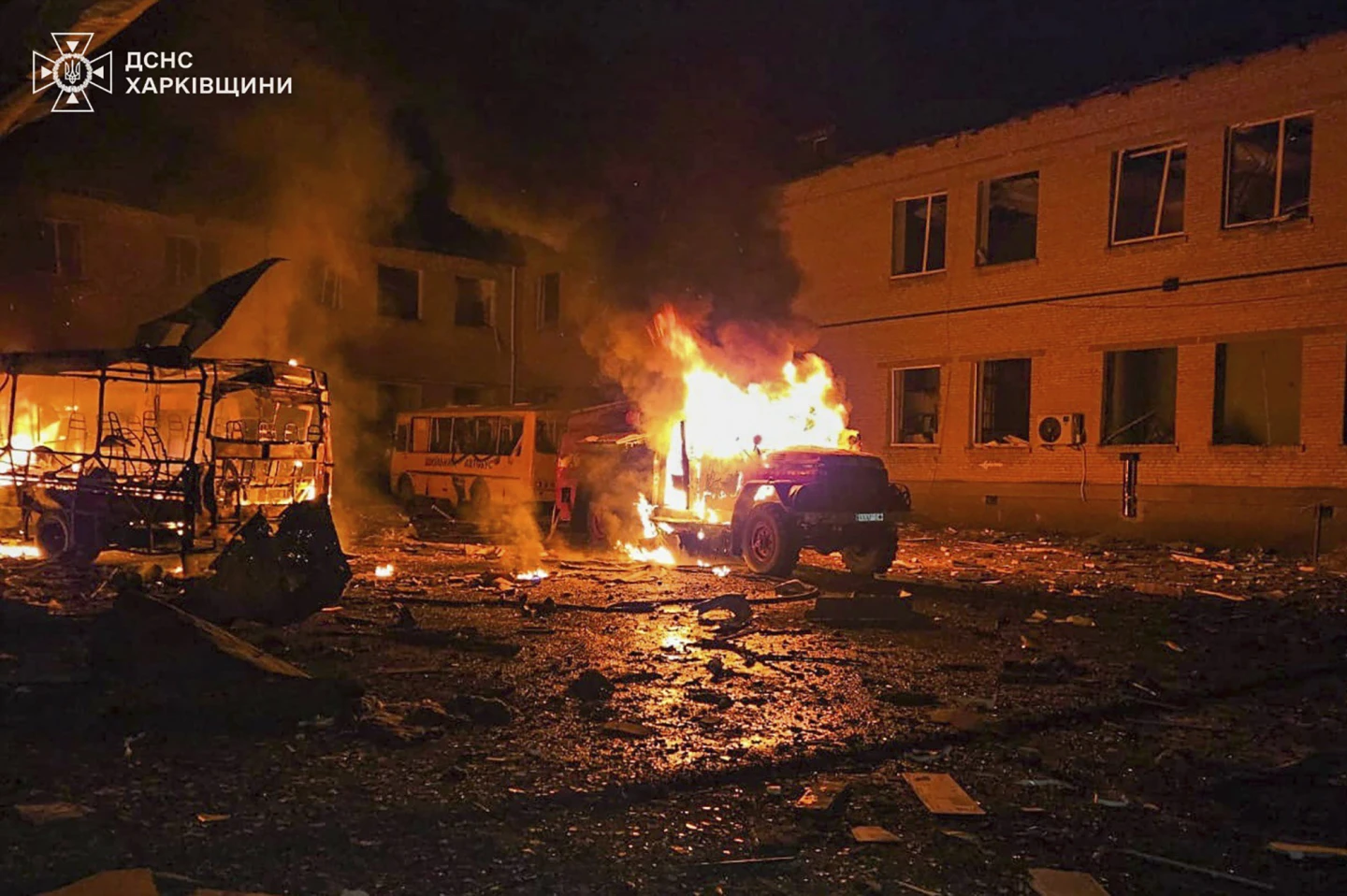
“We are also monitoring troop movements along our eastern border, where the Russian army continues to build up its forces,” Zelensky posted on X (formerly Twitter). “This points to a potential attack on our Sumy region. We are aware of this threat and will respond accordingly. I want our allies to fully understand what Putin is planning and what he is preparing to ignore.”
Zelensky’s warnings were echoed by Andriy Kovalenko, a Ukrainian military official, who underscored that Putin appears to be stalling ceasefire negotiations while intensifying preparations for military operations in the border area. The buildup of Russian forces on the Ukrainian border comes at a time when many world leaders are urging Putin to accept a ceasefire proposal, with U.S. President Donald Trump advocating for a 30-day truce to allow for diplomatic negotiations.
However, Putin’s response to the proposal has been cautious. While he expressed support for the idea in principle, he stated that Russia would continue fighting until several key conditions were met. The Russian leader’s hesitance to commit to a ceasefire has raised concerns that Moscow’s intentions may be focused more on military expansion than peace.
The situation in Ukraine has sparked urgent discussions among world leaders, particularly in Europe. The UK, under the leadership of Prime Minister Keir Starmer, is spearheading efforts to create a “coalition of the willing” to enforce peace in Ukraine. Starmer recently convened a virtual summit, where representatives from over 30 countries discussed strategies for deploying peacekeeping forces should a ceasefire agreement be reached.
One aspect of these talks includes the possibility of sending more than 10,000 troops to Ukraine as part of a peacekeeping force. While countries such as the UK, the U.S., and other NATO allies have expressed support for such a mission, some nations, including Italy, have voiced opposition. Italy, despite participating in the coalition meeting, announced that it would not contribute troops to any potential peacekeeping force, instead emphasizing the importance of security guarantees from Western powers, particularly the U.S.
Lord Peter Ricketts, former UK National Security Adviser, warned that deploying a European-led peacekeeping force without U.S. support would pose significant risks. He emphasized that for the force to be credible, it would need the backing of the U.S. military, especially in the event of direct conflict with Russian forces.
“The peacekeeping force must be capable of deterring Russian aggression, and that means having the ability to fight if necessary,” Ricketts explained. “Without a clear American commitment to intervene if needed, the mission would be at considerable risk.”
Meanwhile, Ukrainian officials remain focused on countering Russia’s military buildup and preparing for any potential ground assaults. As tensions continue to rise, Zelensky’s administration is steadfast in its commitment to defending Ukrainian territory while calling for greater international support in holding Russia accountable for its actions.
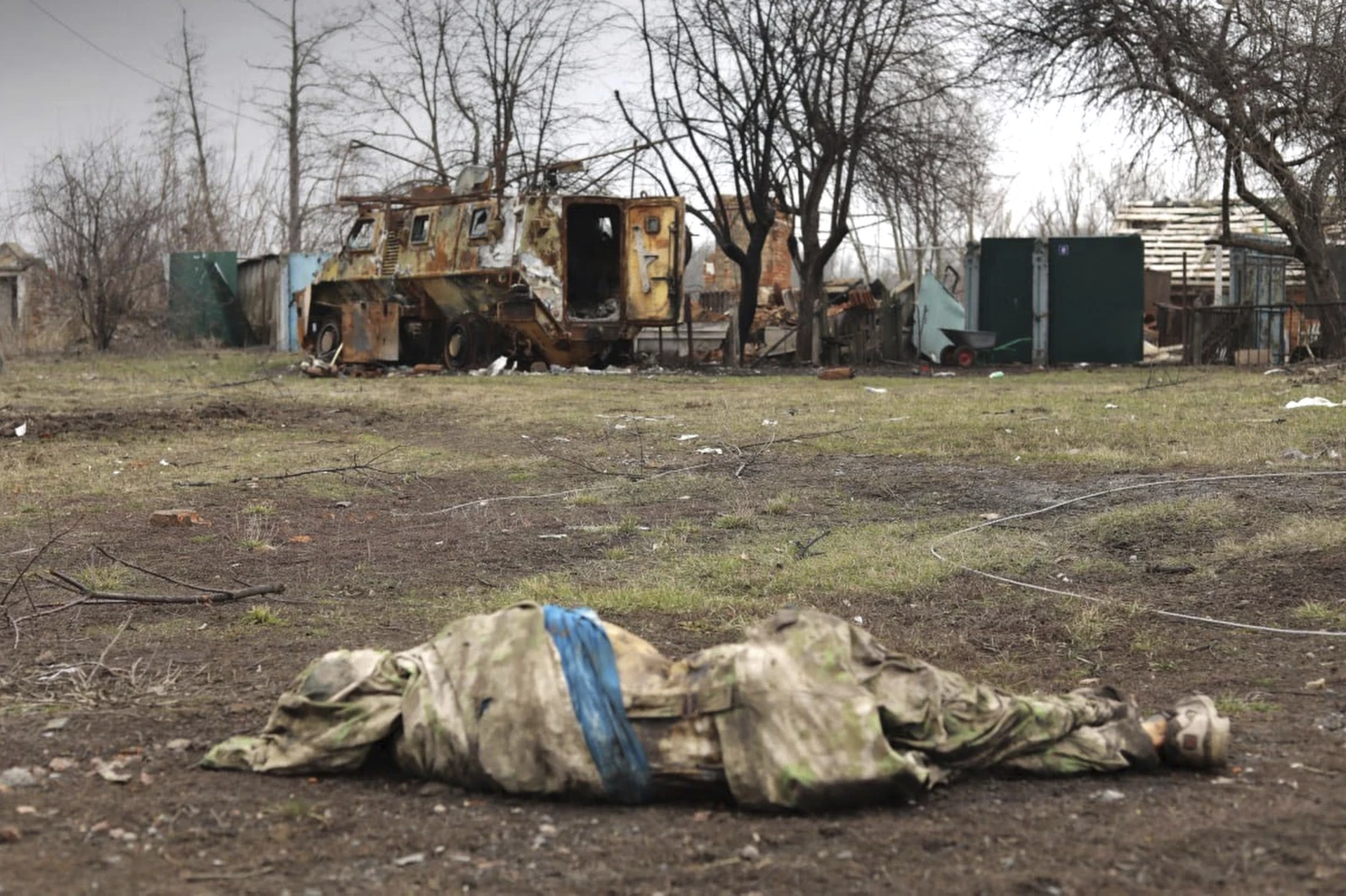
The ongoing situation in Ukraine remains fluid, with diplomatic efforts continuing alongside military preparations. As world leaders work to forge a path to peace, the threat of further conflict looms large over the Sumy region and other parts of Ukraine’s eastern border. Zelensky’s urgent warnings underscore the precarious nature of the conflict, as both sides gear up for a critical phase in the war.


